South Branch of the Rokugo Irrigation Canal(六郷用水南堀) October 09, 2026
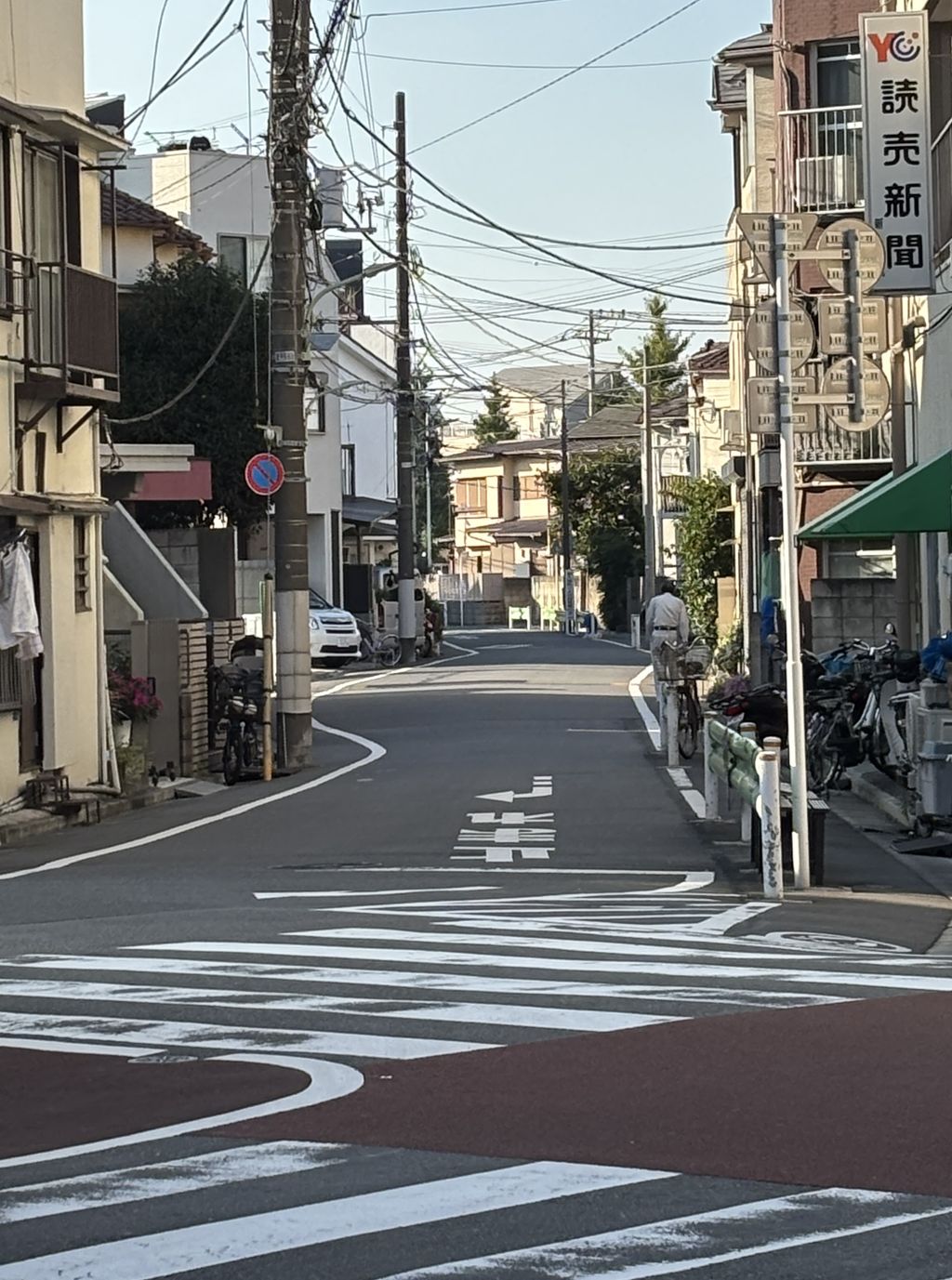
The white line painted on the road curves gently, hinting at the faint traces of the river that once flowed here.
Where I Walked
Where Hidden Waterways and Lost Railways Meet
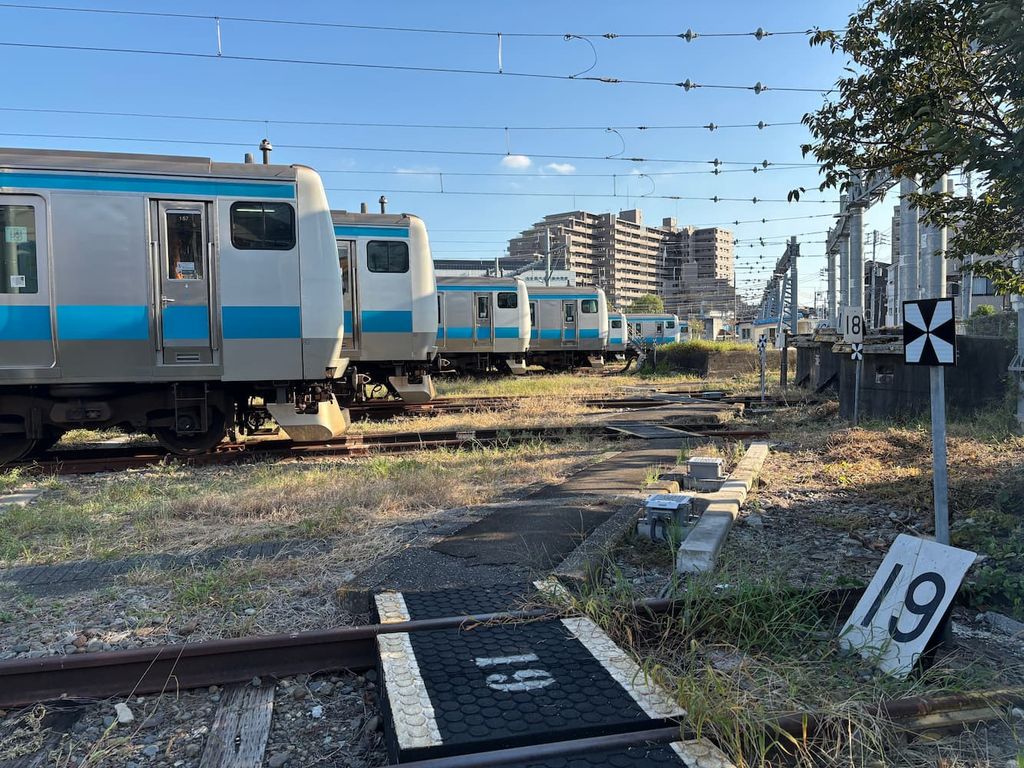
I explored the hidden waterways around the Keihin-Tōhoku Line train depot in Kamata, along with the remnants of an old railway line that once branched off from the depot.
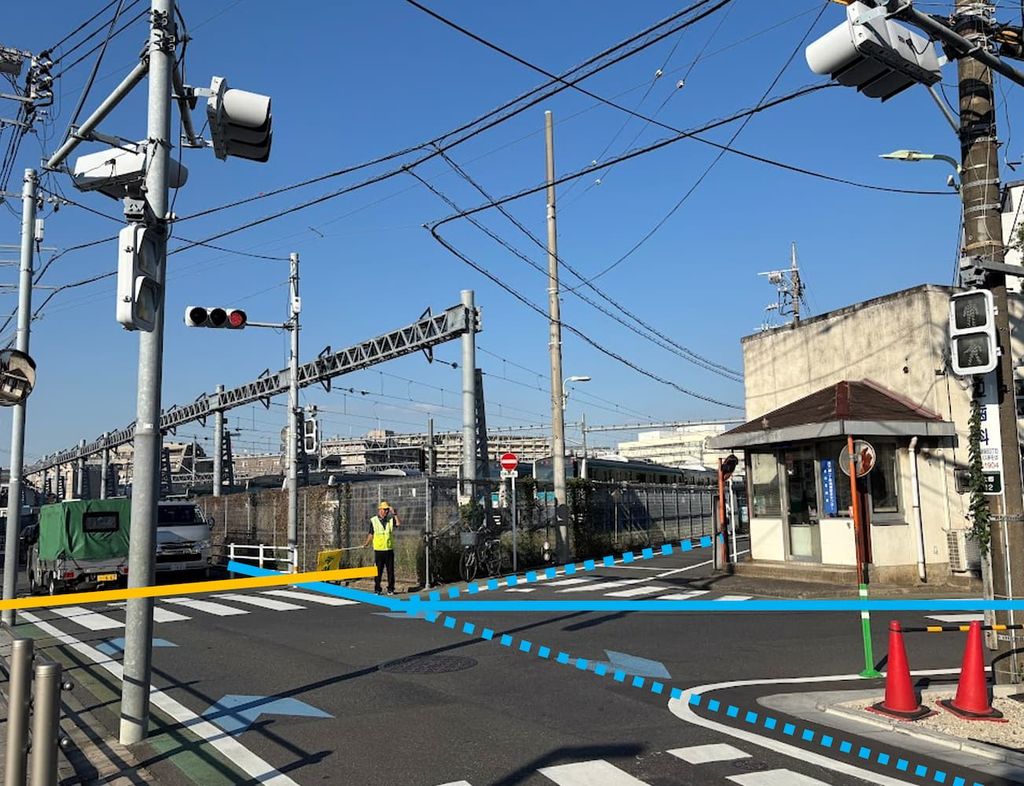
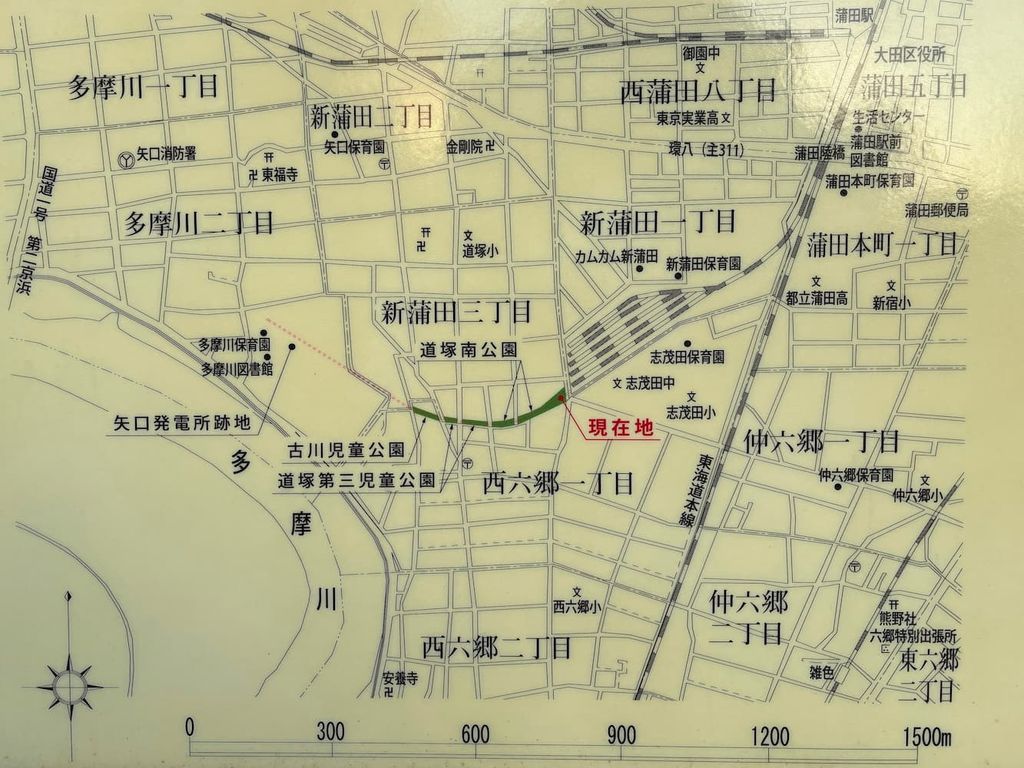
According to the map, the solid blue line marks the Rokugo Irrigation Canal, while the dashed blue line appears to indicate another former waterway.
The yellow line shows the former Yaguchi Power Plant Railway Siding, which once extended to a power plant that no longer exists.
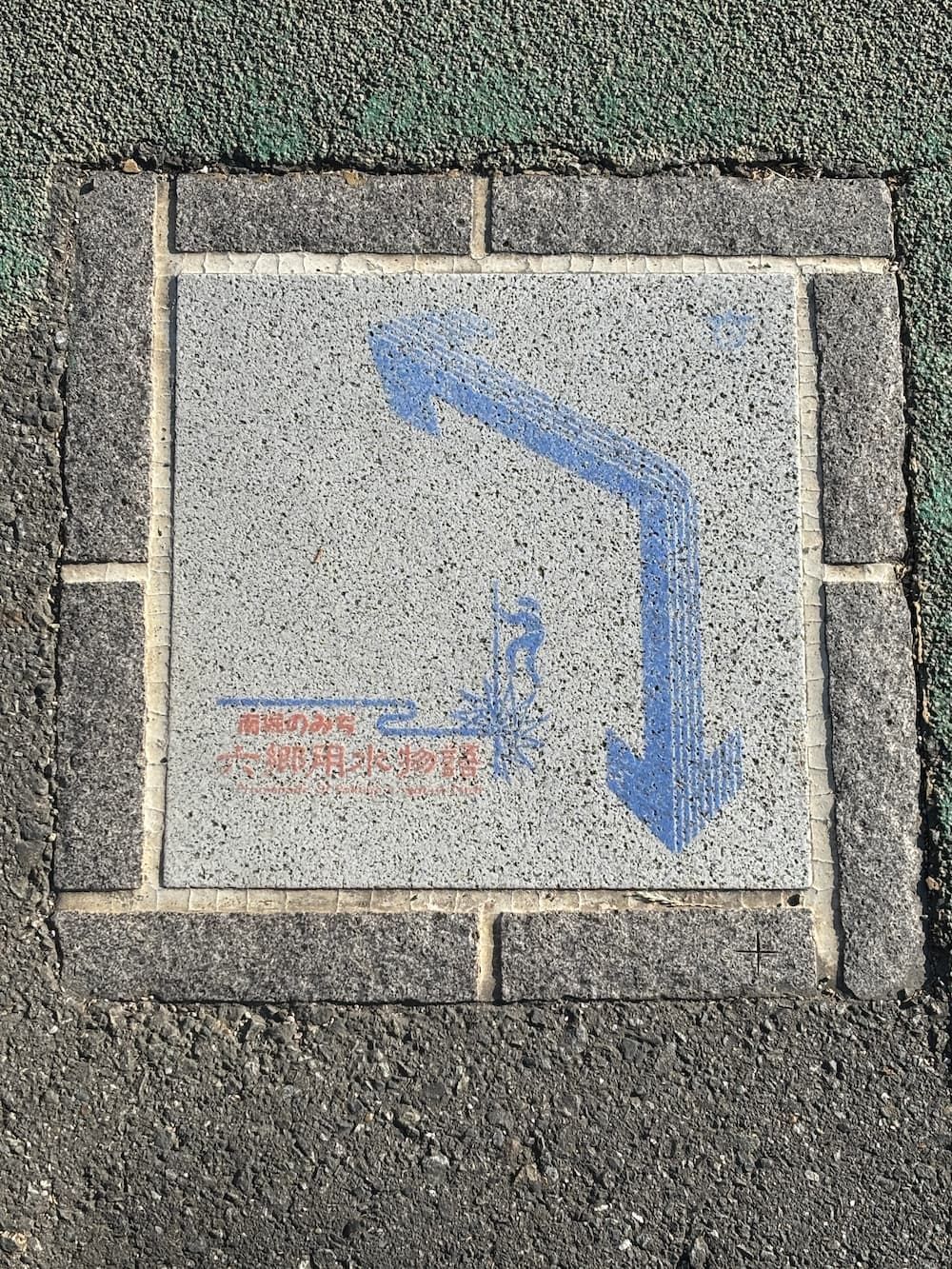
I couldn't find any visible traces where the Rokugo Irrigation Canal and the former railway line once crossed.
However, a marker embedded in the road showed the route of the old canal.
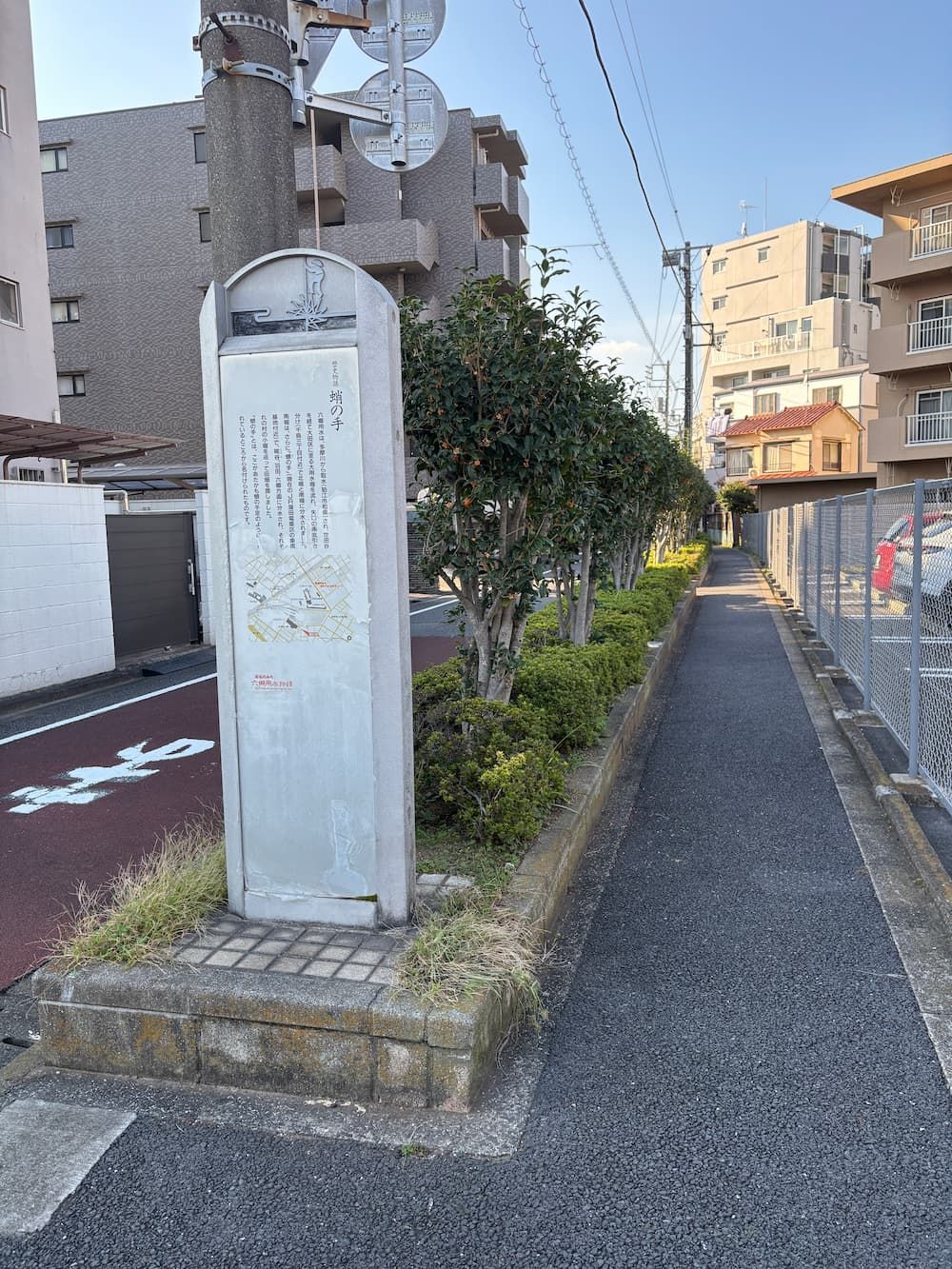
A sign along the former waterway explains that there was once a branching point nearby known as “Tako no Te” (Octopus Arms).
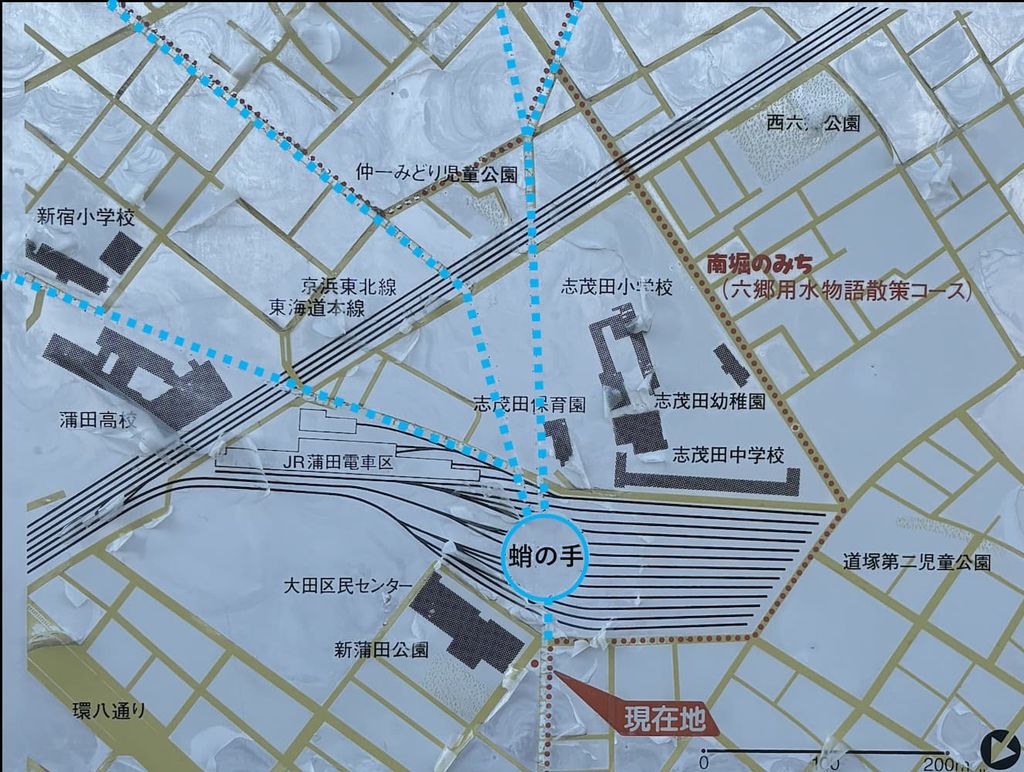
Near the Kamata Train Depot, the southern branch of the Rokugo Irrigation Canal split into several channels flowing toward Kōjiya, Haneda, and Rokugō.
This branching point was known as “Tako no Te,” meaning “Octopus Arms,” because the waterways spread out in different directions like the arms of an octopus.
I suspect that when the train depot was built, the waterways branching off at Tako no Te were rerouted along the course shown by the red dashed line.
(I added the blue dashed lines myself to mark the original waterways, as parts of the map on the sign had faded and become difficult to see.)
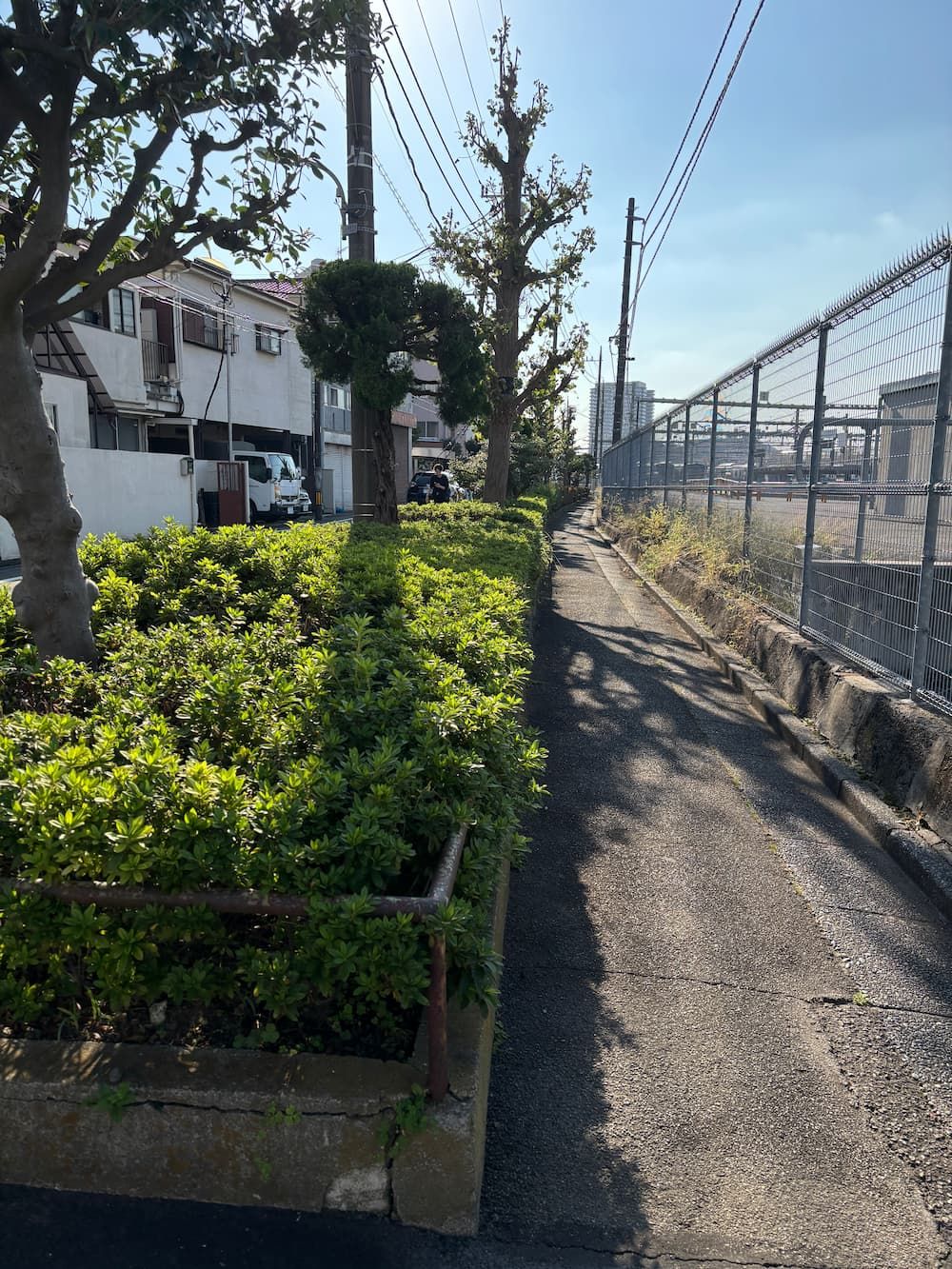
The route of a former waterway that branched off from Tako no Te and flowed toward Kōjiya.
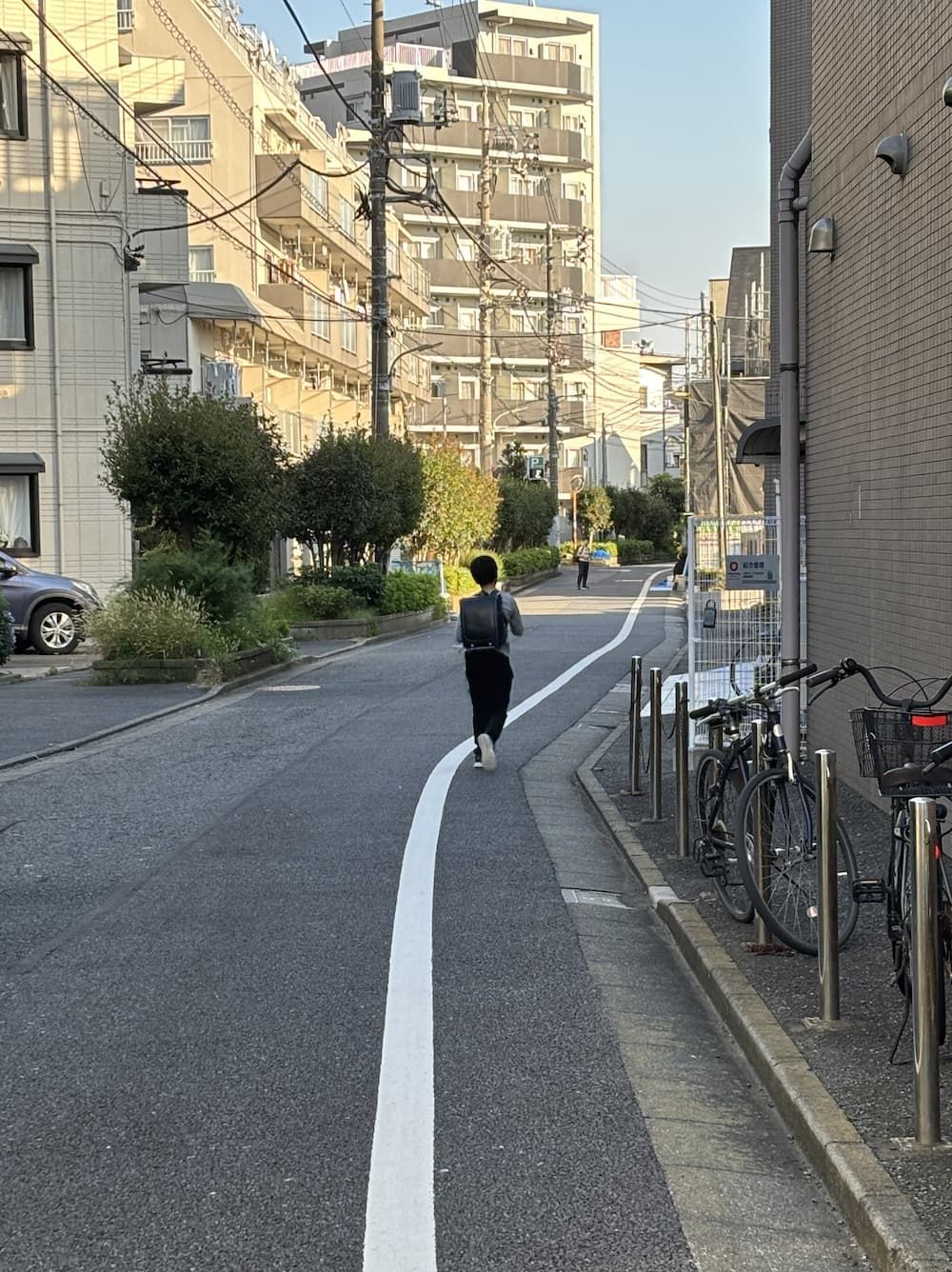
The white line painted on the road doesn't necessarily follow the course of the old waterway, but I find its gentle, irregular curves pleasing, rather than a perfectly straight line.
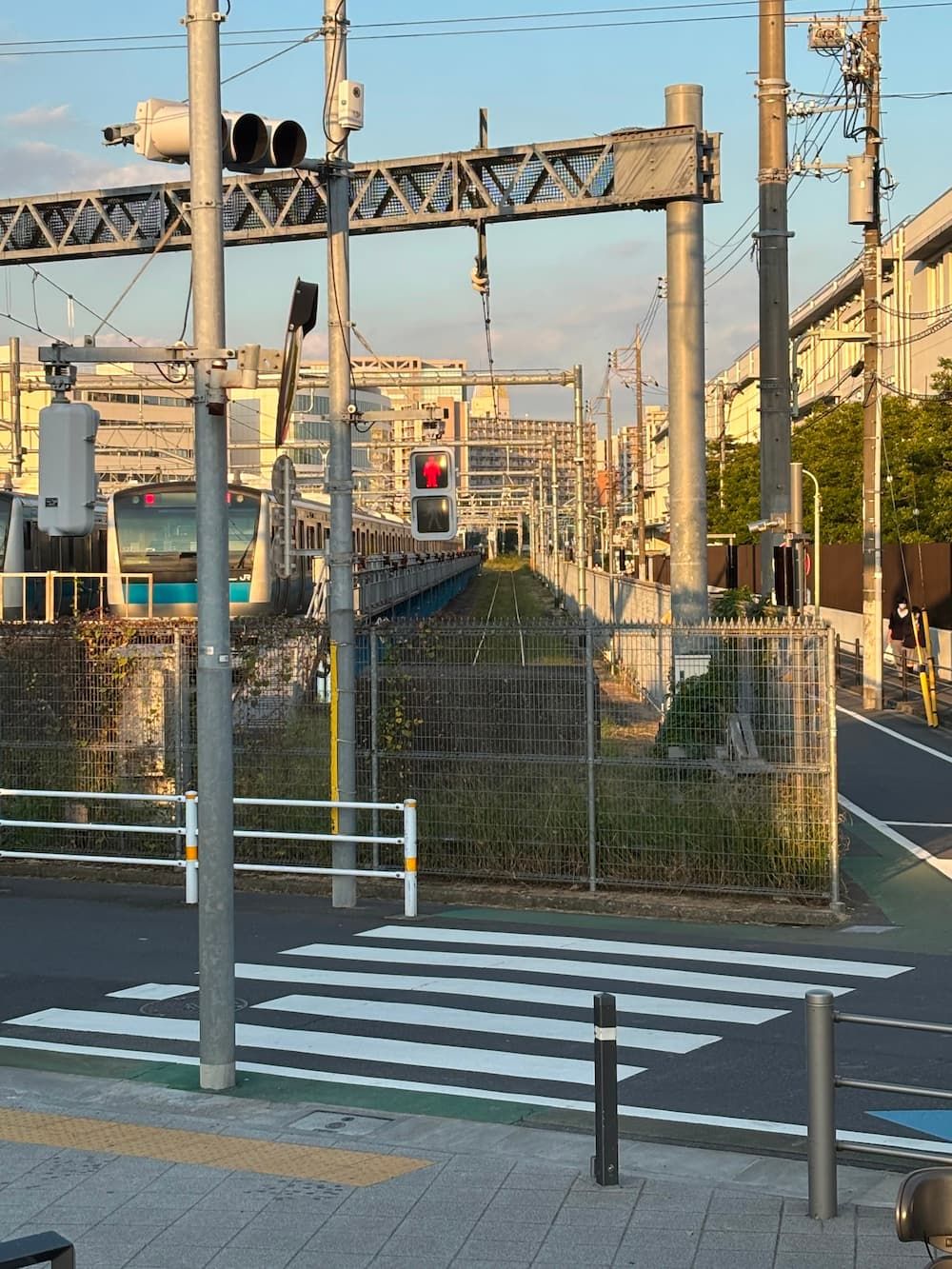
It seems that the easternmost track in the train depot once extended all the way to the power plant.
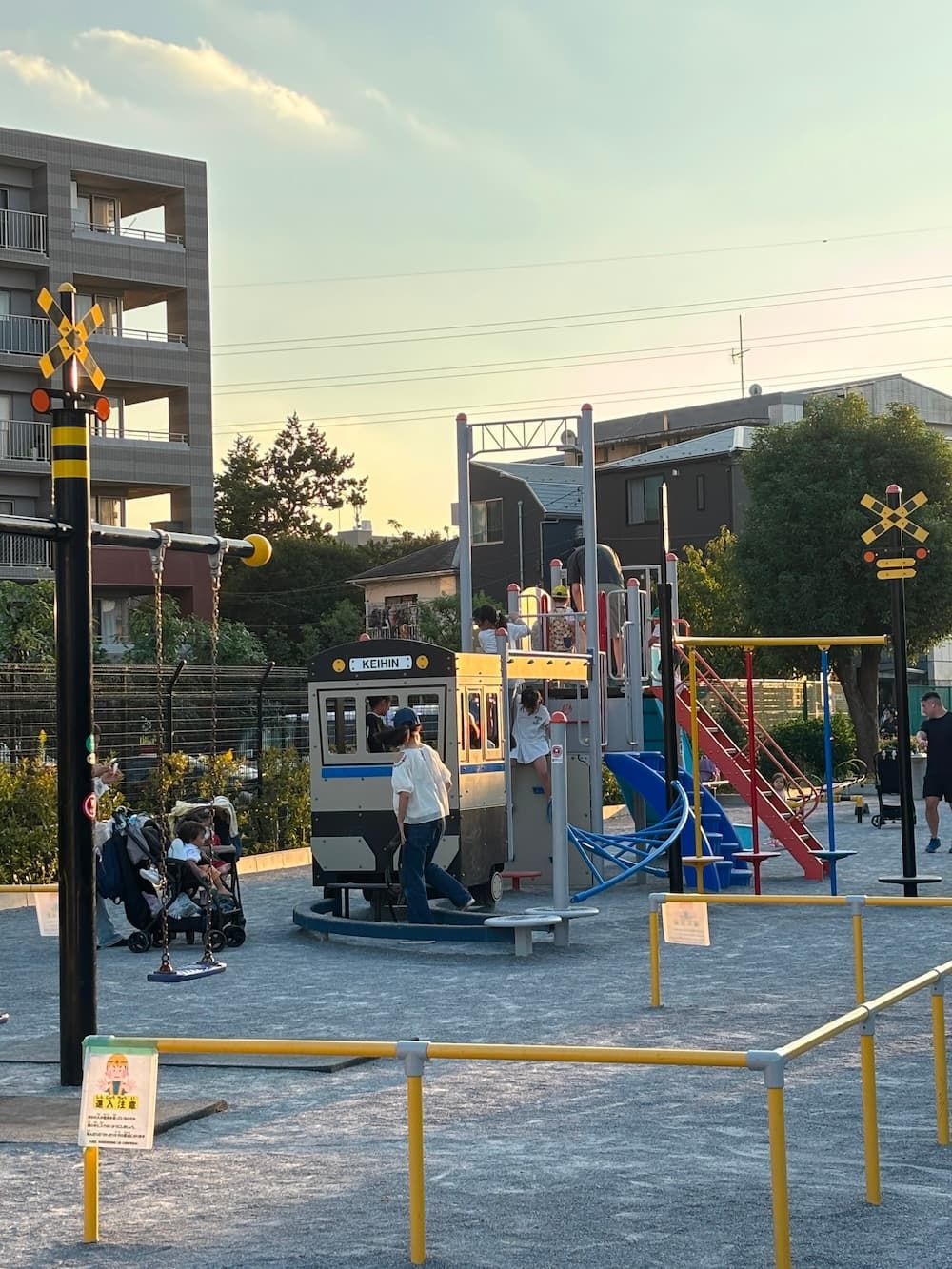
The former railway line has been turned into a park, with playground equipments inspired by trains.
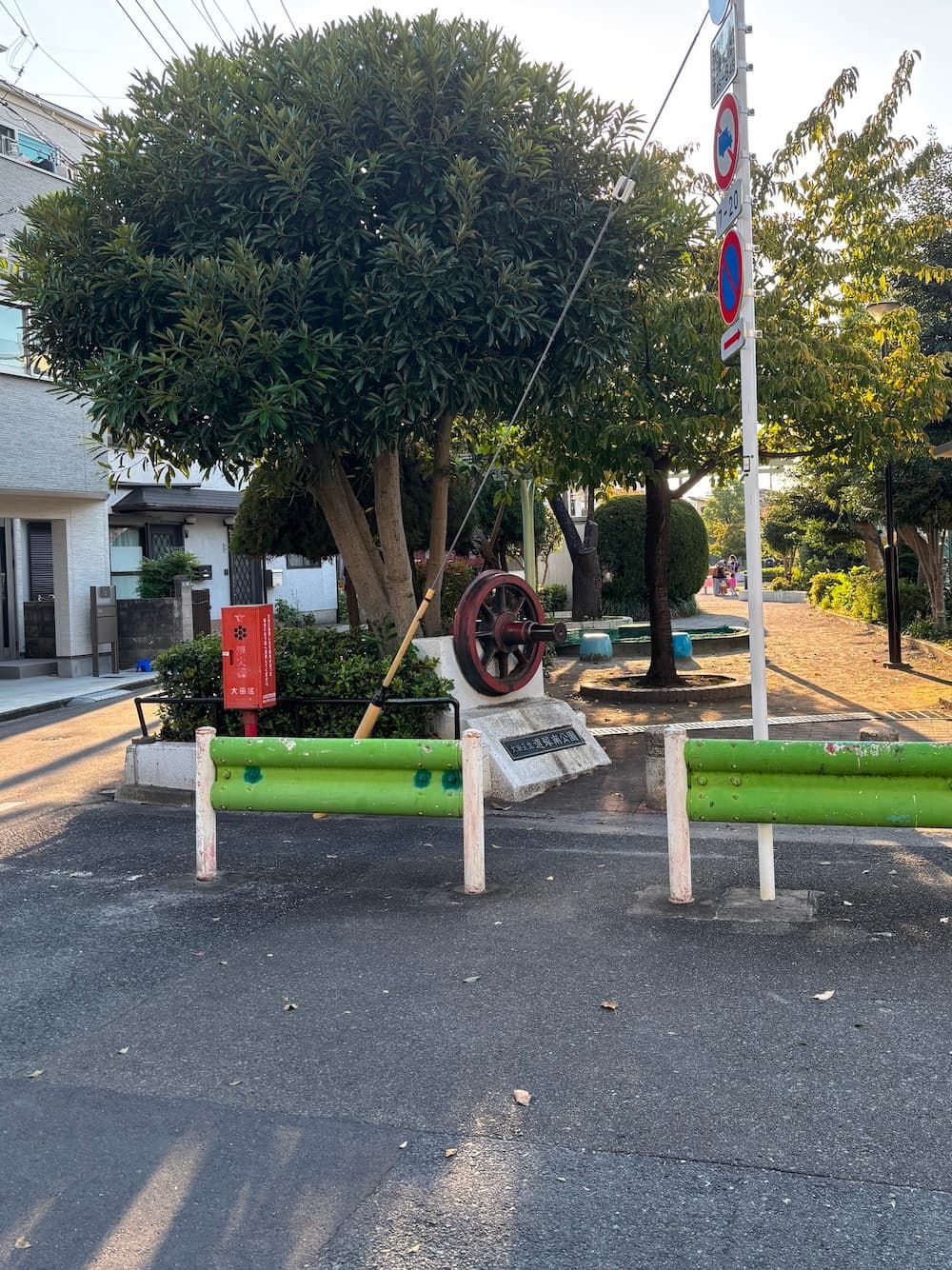
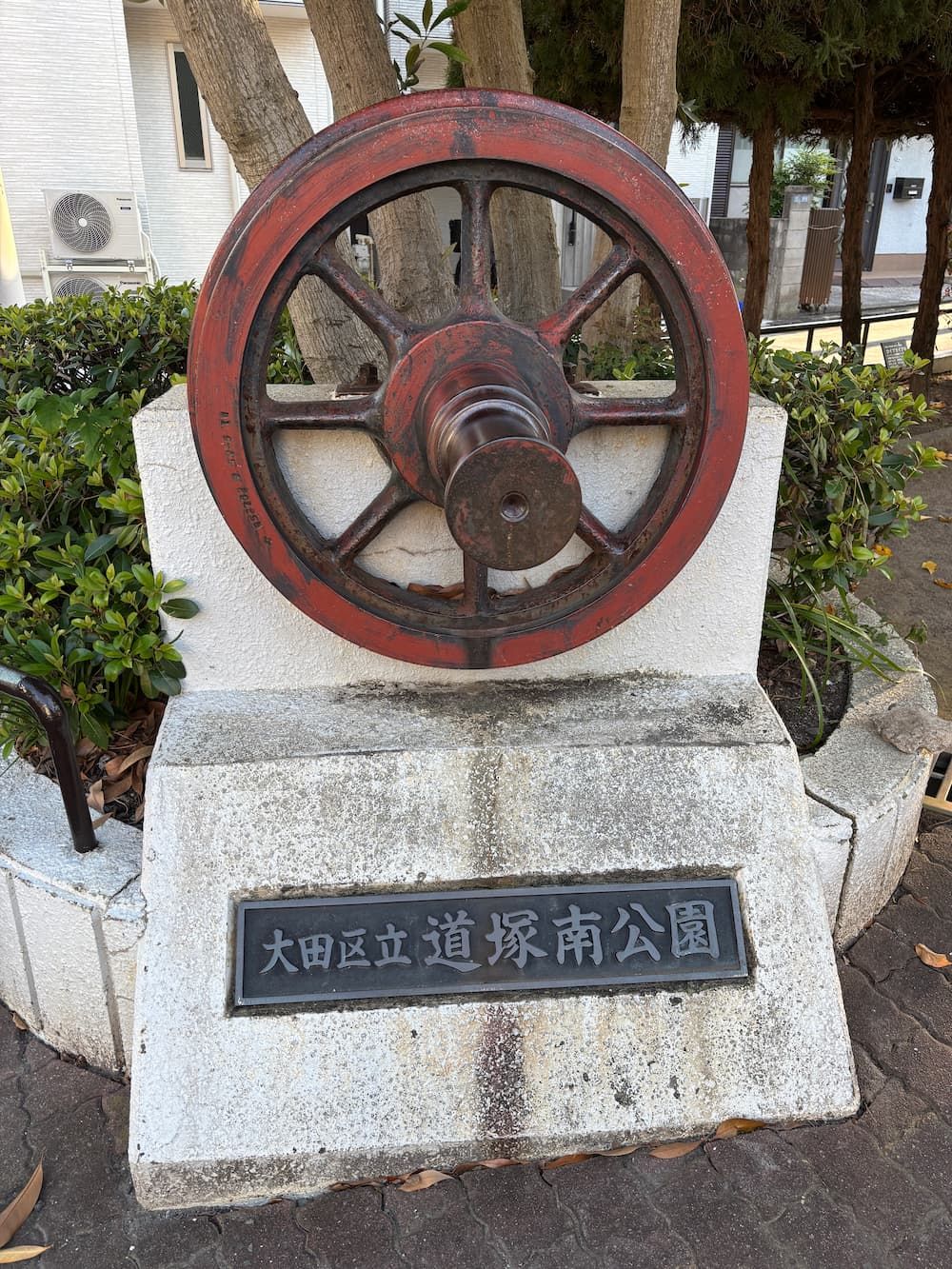
An old railway wheel stands at the entrance to Michizuka Minami Park, which was built on the former railway line.
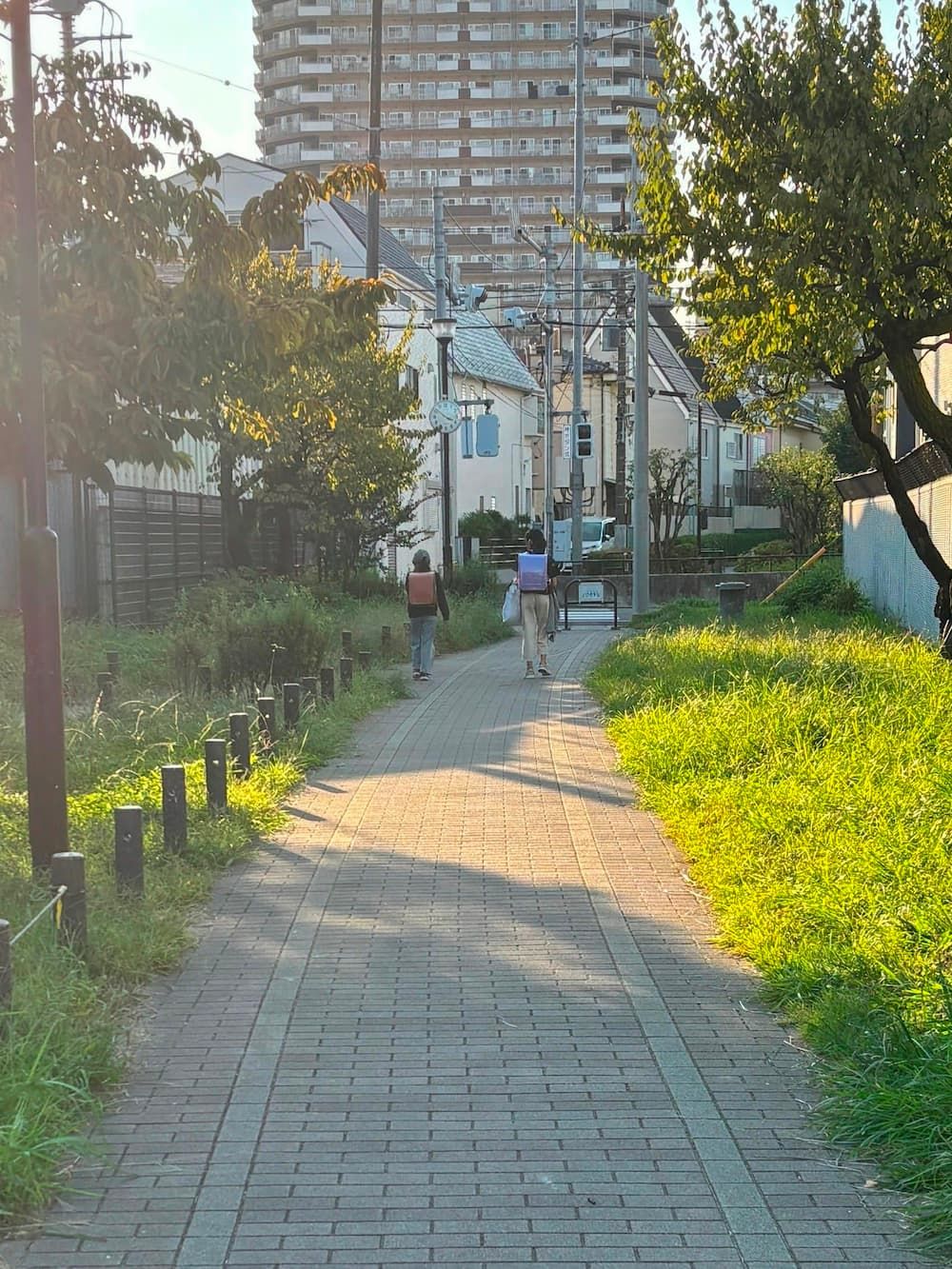
A path with tiles resembling railway tracks curves gently toward the site of the former power plant.
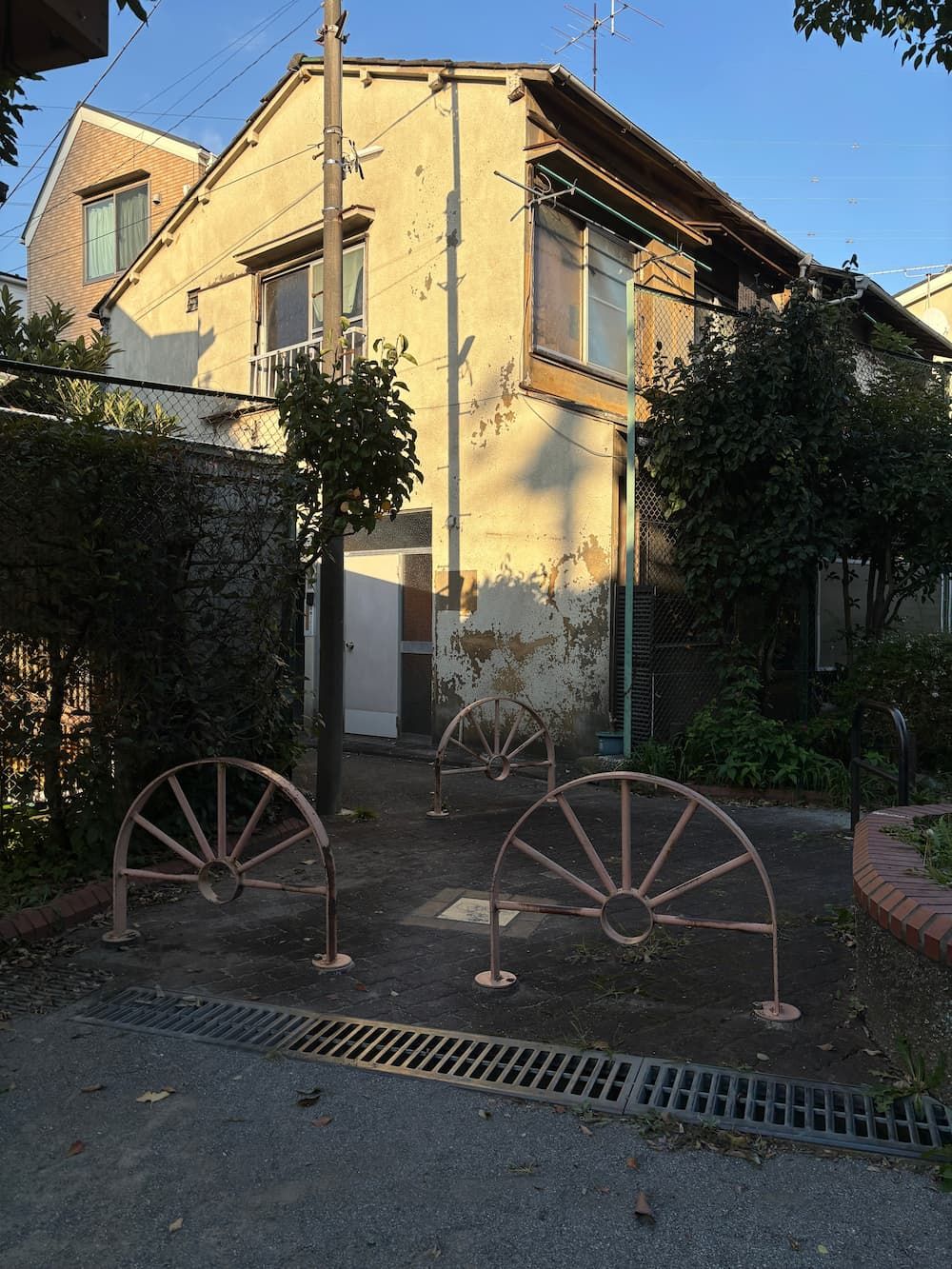
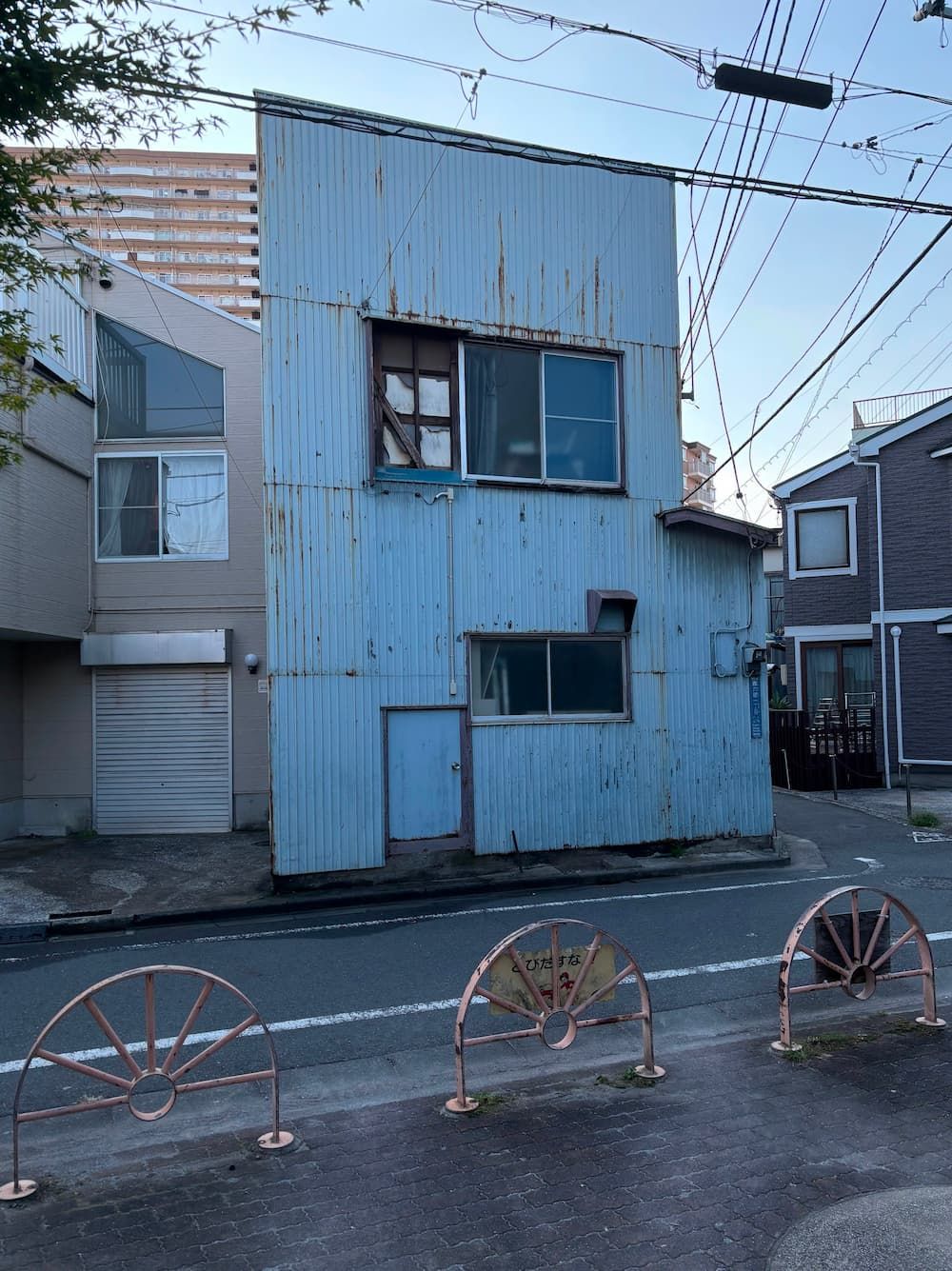
Bollards that look like they were designed to resemble train wheels.
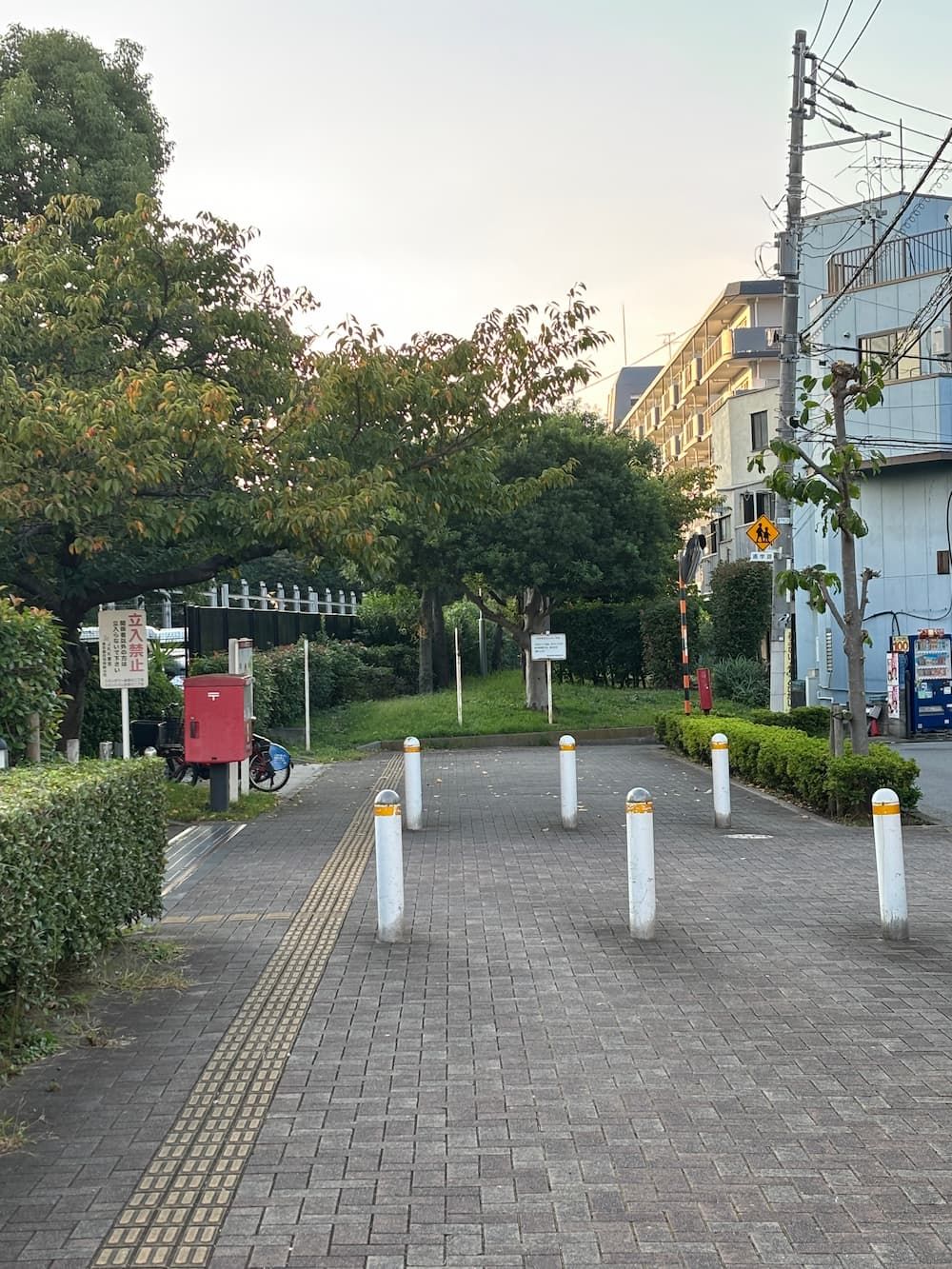
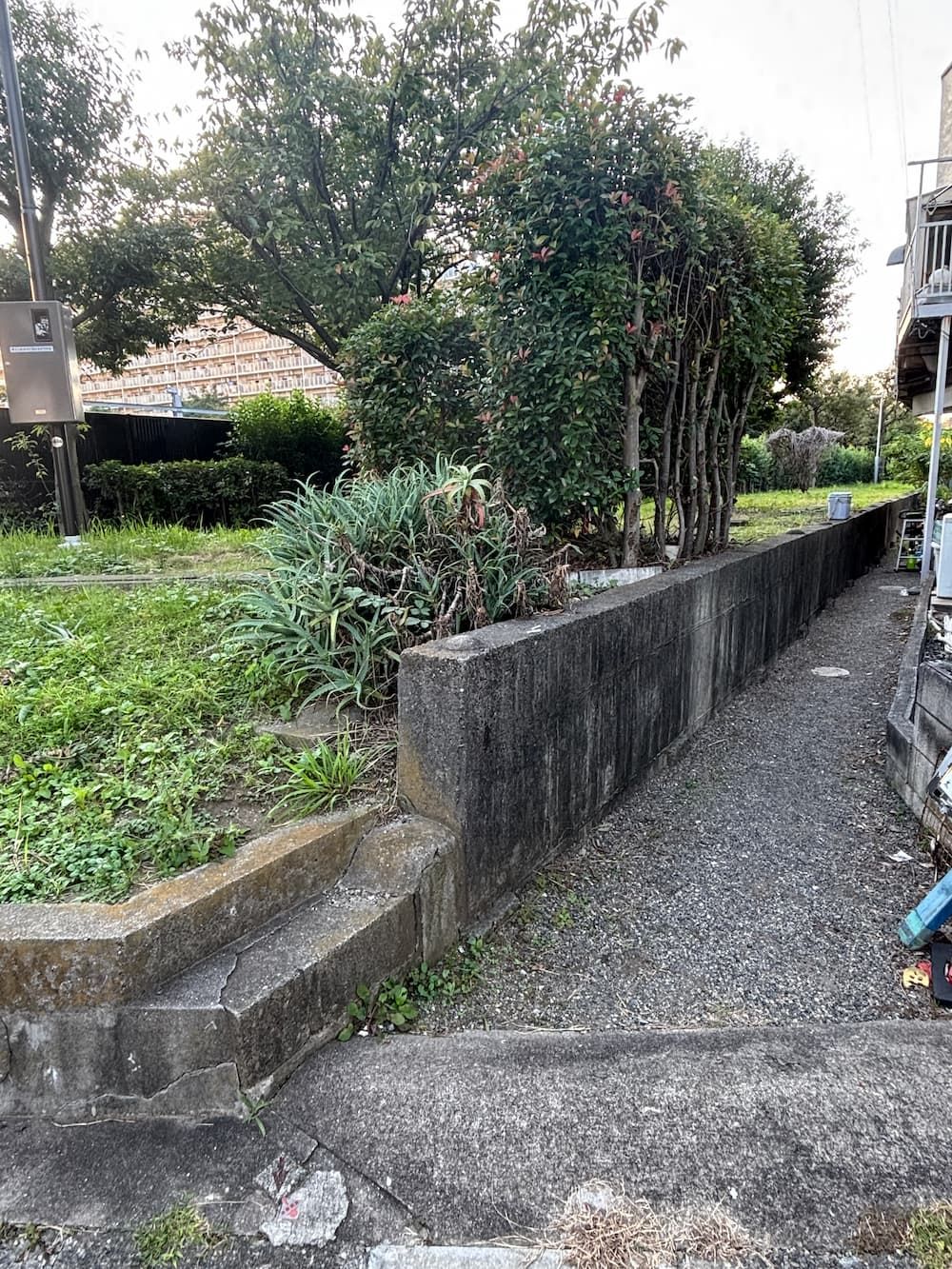
The railway line appears to have once extended toward the green space ahead.