Harajuku Branch Channel(原宿分水)December 29, 2025
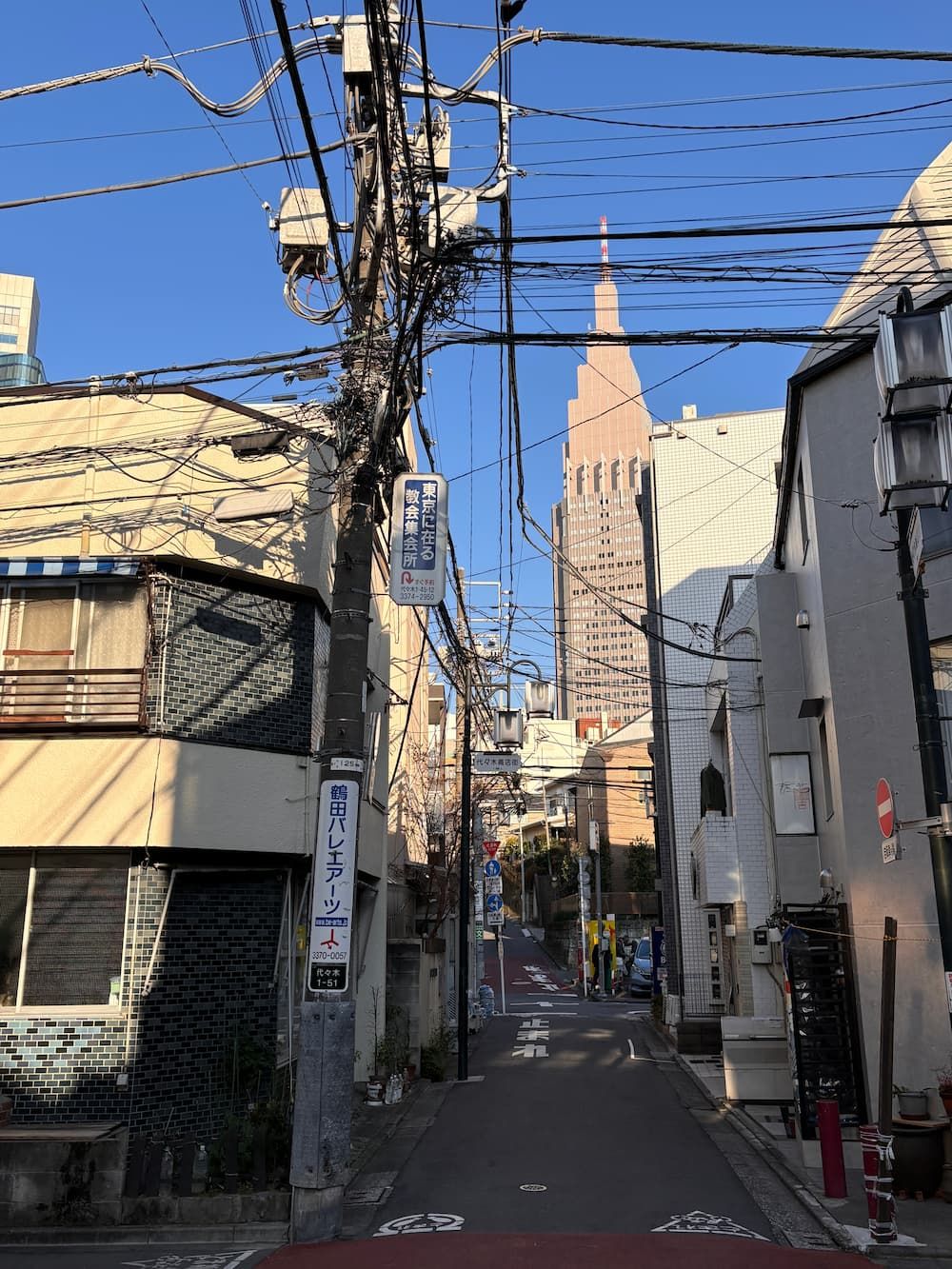
I followed rivers whose source lies near the cluster of skyscrapers in Shinjuku.
Where I Walked
Google Maps sometimes doesn’t show crosswalks correctly when plotting a walking route, so a few sections end up with unnecessary detours.
Skyscrapers, Side Streets, and a Sense of Home
Having grown up just a few stops away from the massive hub of Shinjuku Station, this walk — where the city’s towering skyscrapers rise above clusters of low residential houses — gave me the feeling of coming back home.
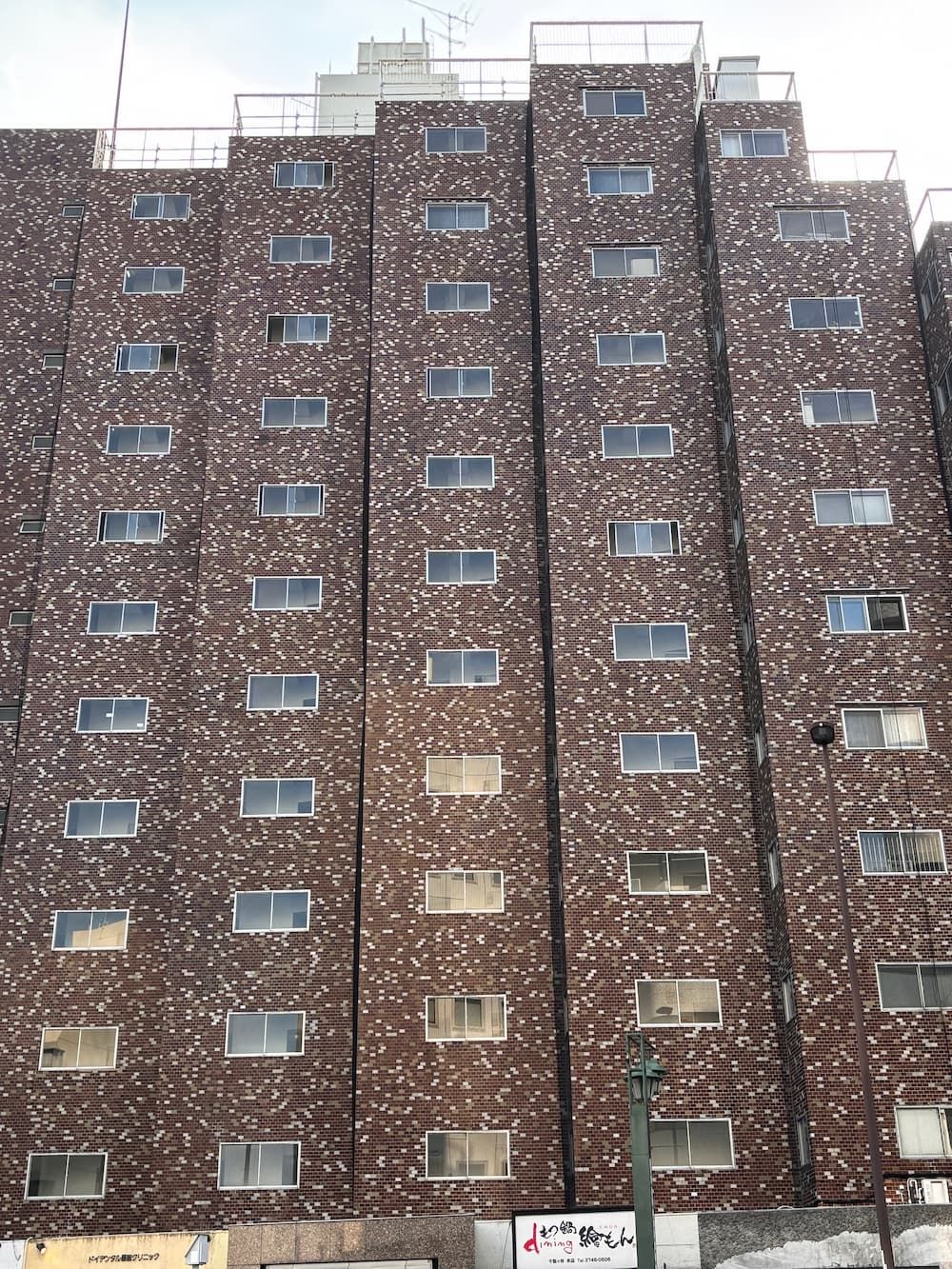
Stepping out of Kitasando Station along Meiji Street, I came across an old yet stylish apartment building.
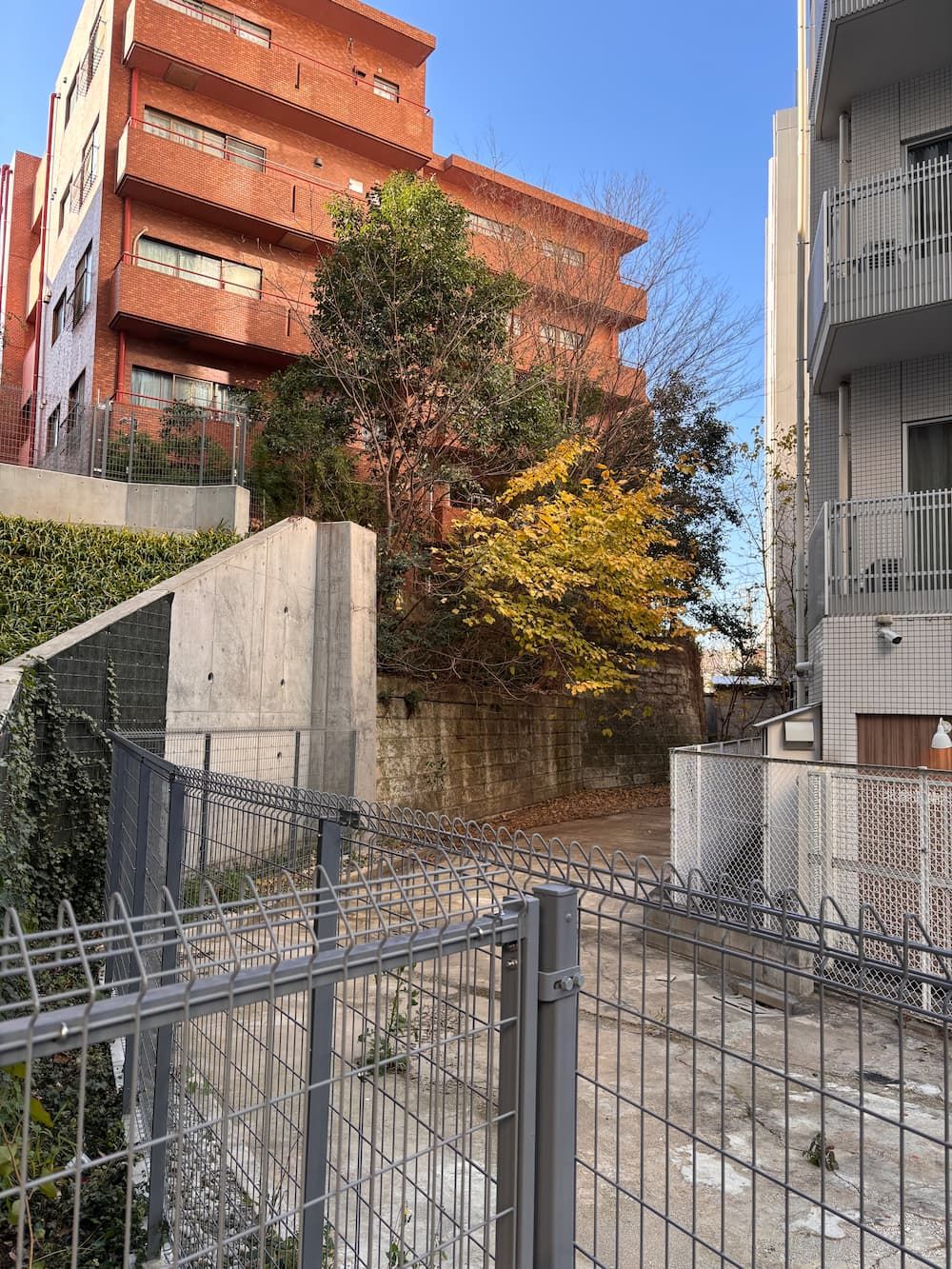
Between the apartment blocks, an oddly empty gap reveals the path of the former river.
The water once came down from the distance and met Meiji Street right here.
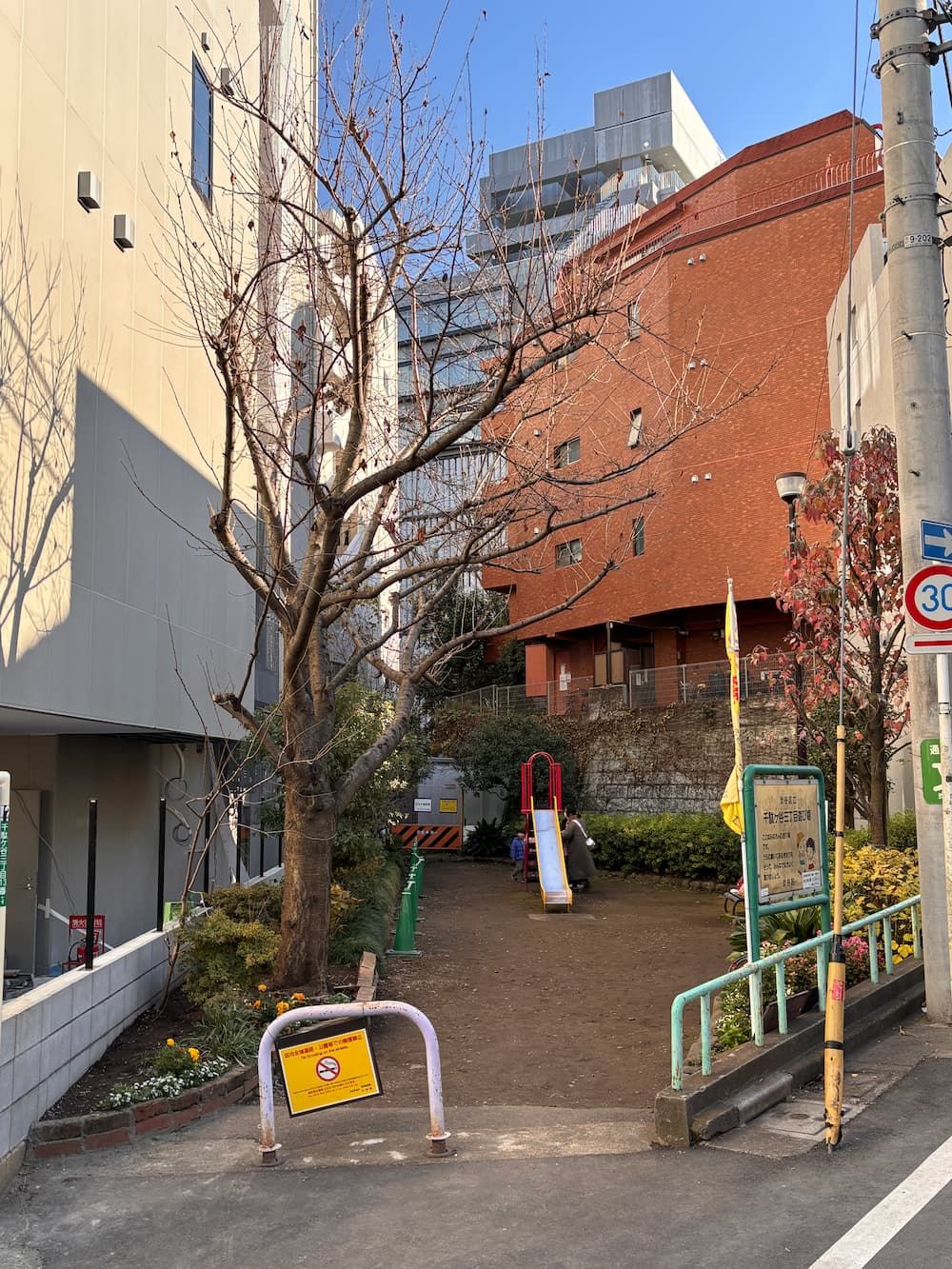
Upstream from the place shown in the previous photo, the former riverbed is now a small park.
It was a very small park, but a little child, about two years old, was playing on the slide with his mother.
It reminded me of my own children — how they could find pure joy in even a single piece of playground equipment.
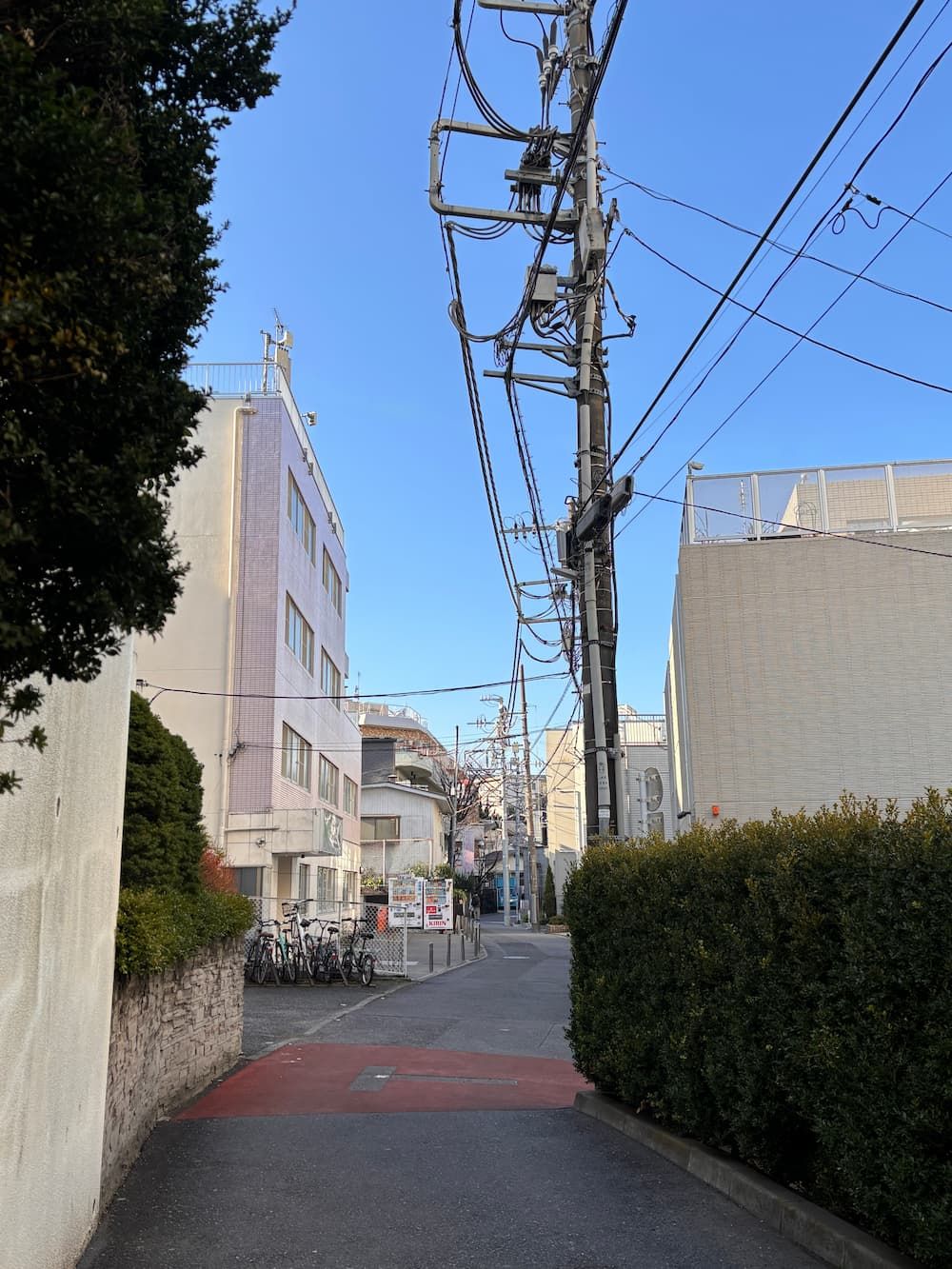
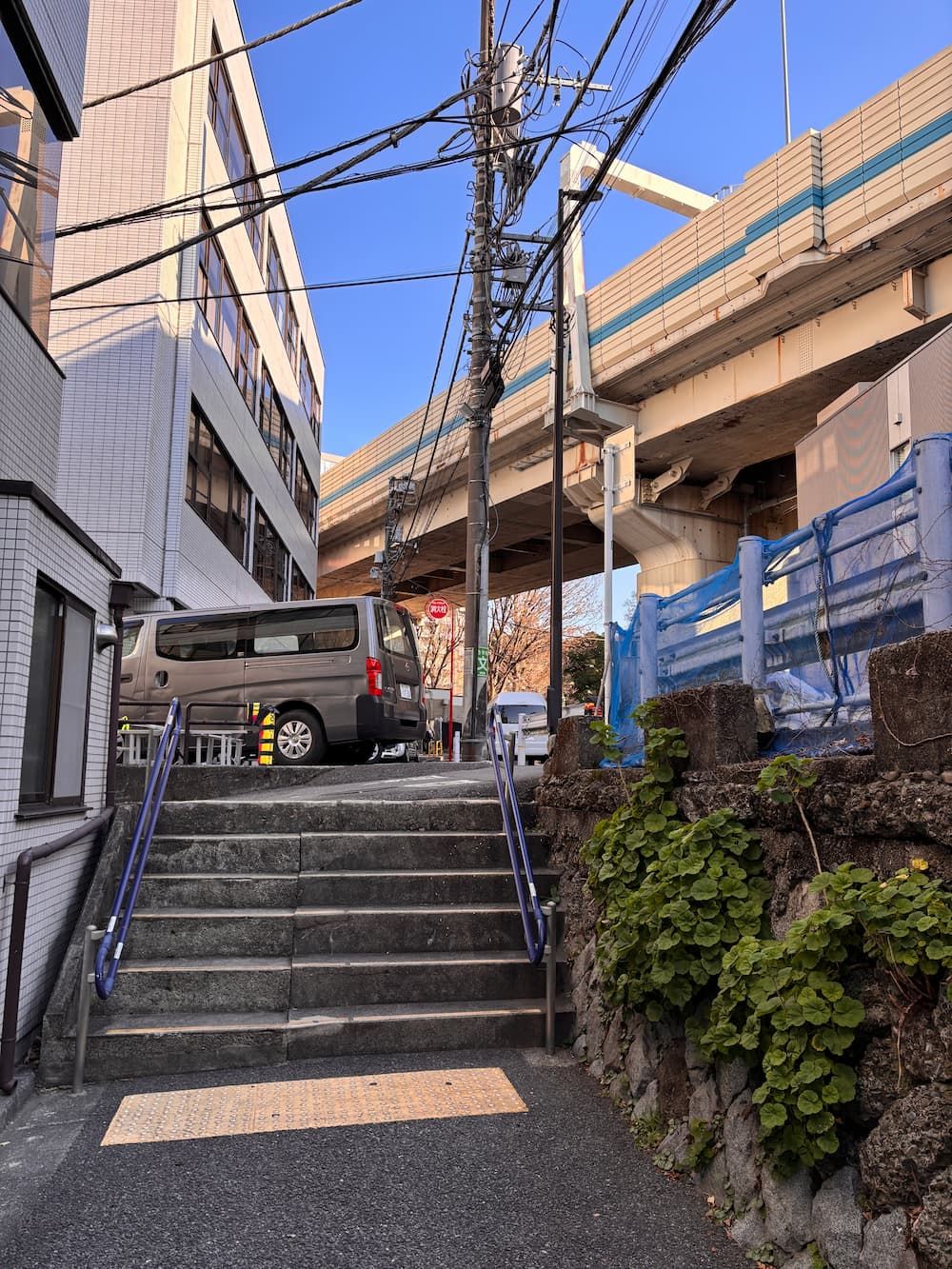
Like the river once did, both the road and the power lines curve gently along the same winding course.
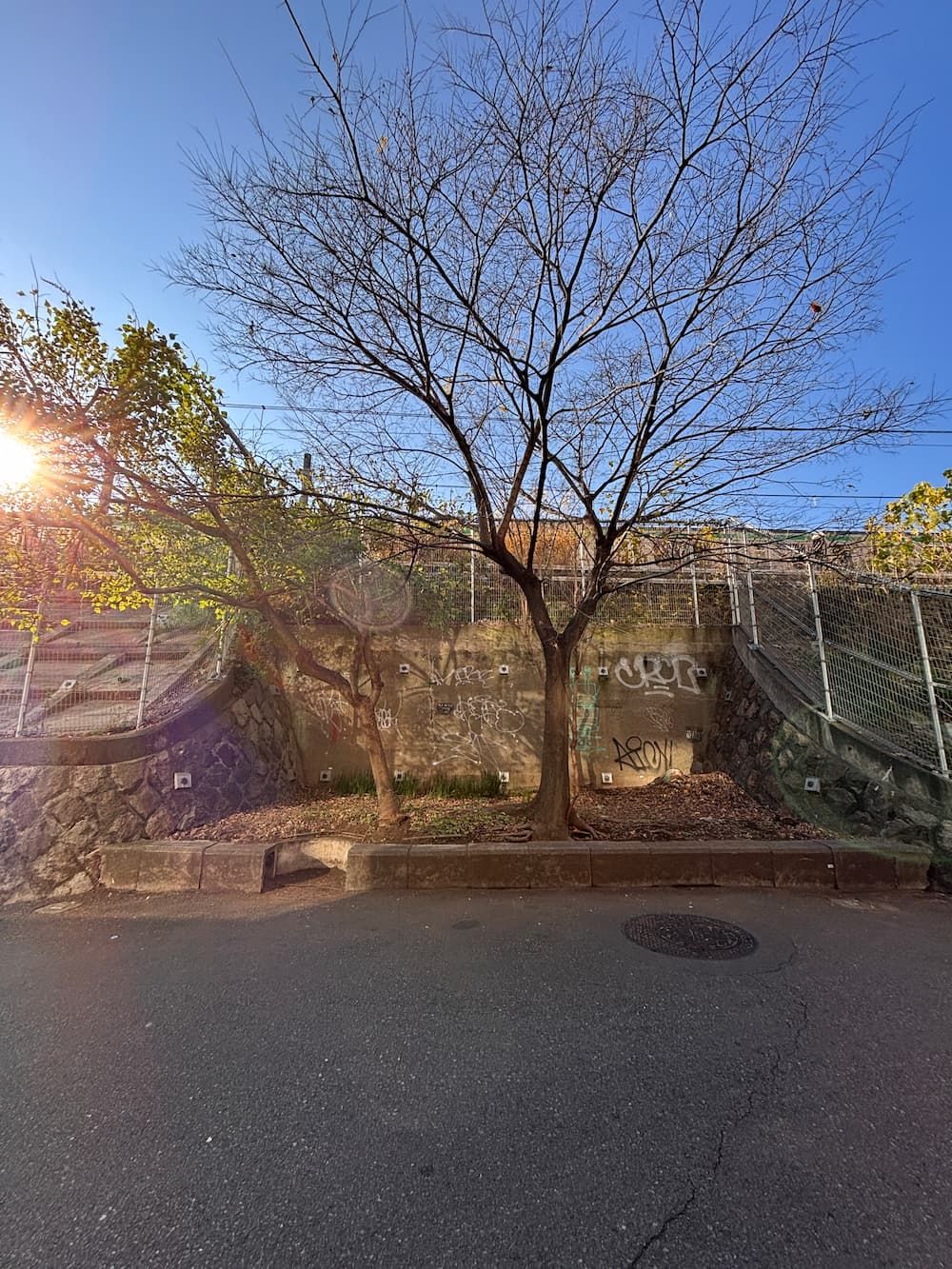
After running alongside the Yamanote Line tracks for a short distance, the river seems to have passed beneath the railway here.
It was a little after two o’clock, but the afternoon sun was already beginning to sink.
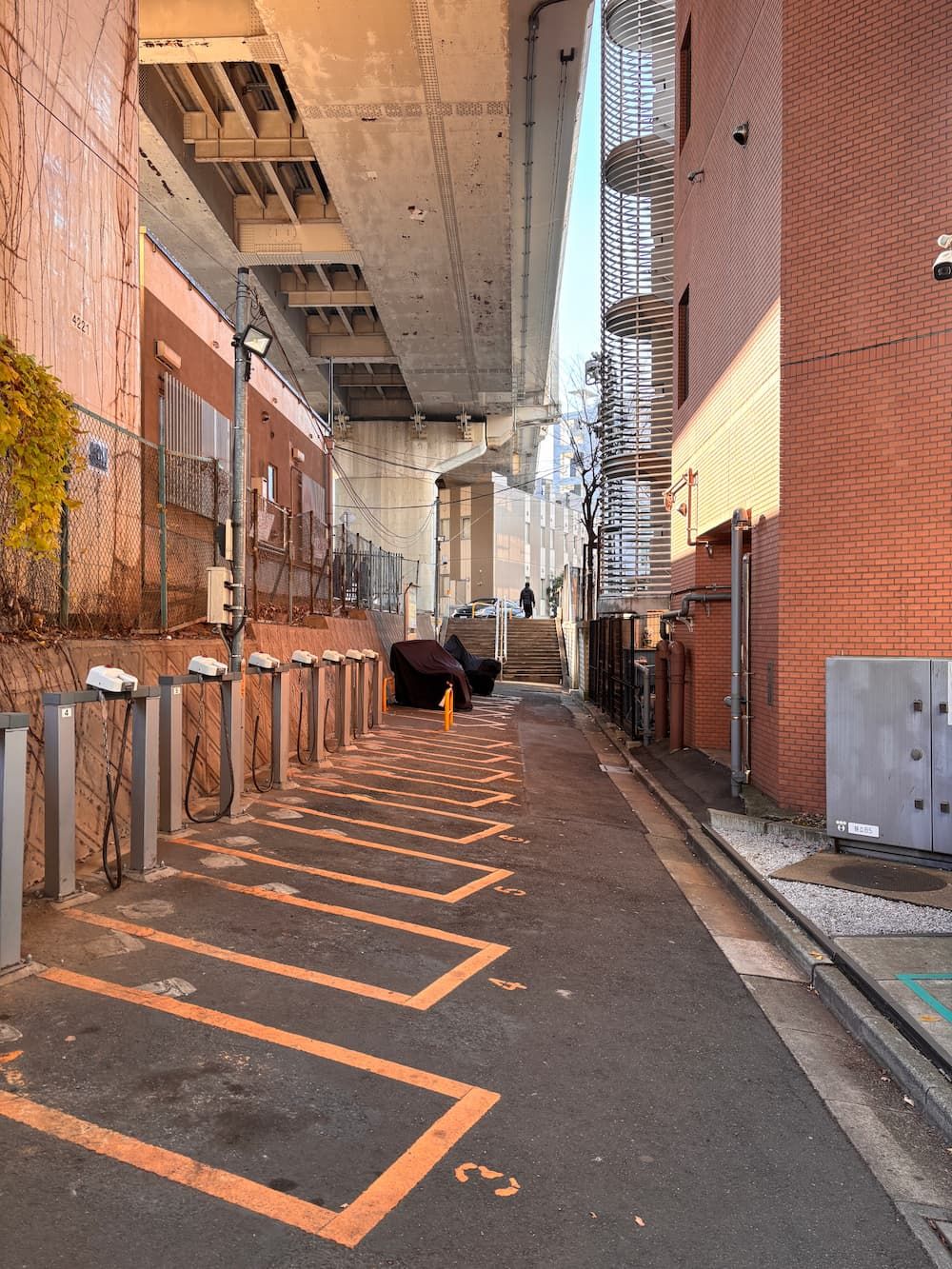
Beyond the railway crossing, it appears that two streams once joined together.
I began by walking upstream, following the trace of the western branch, and soon found a path lying slightly lower than the surrounding land, so I continued along it.
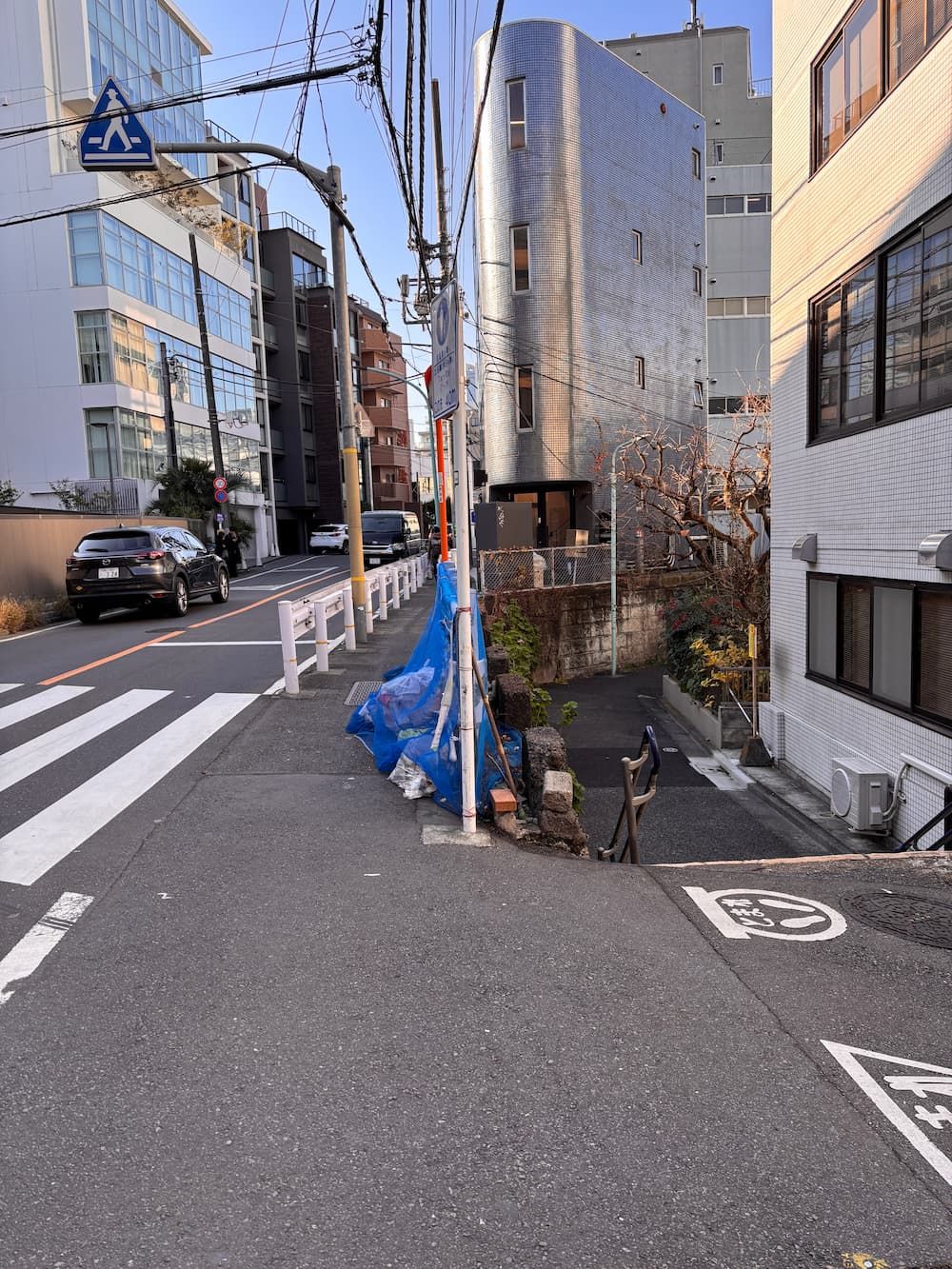
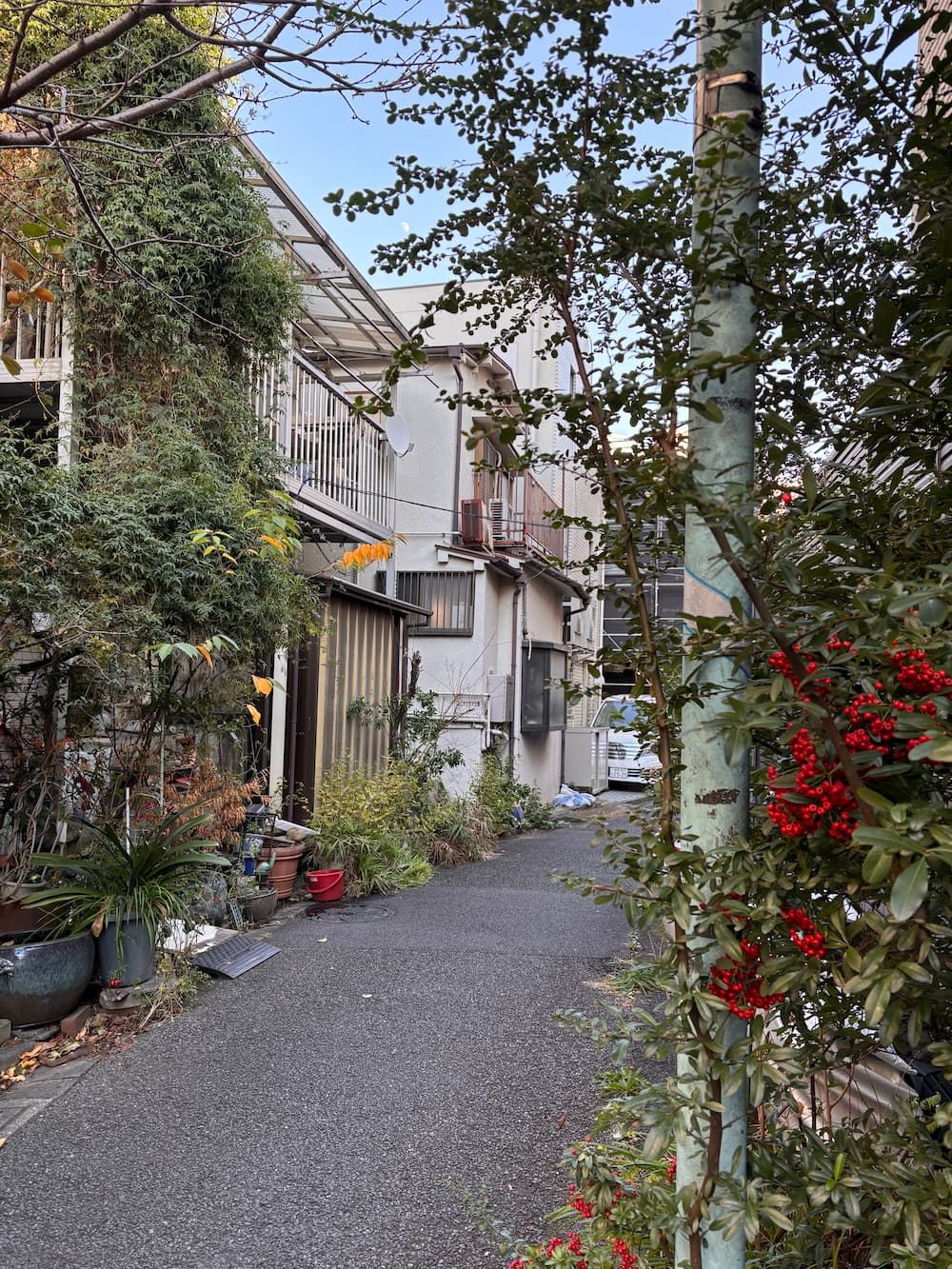
When I spot a covered waterway exactly where I expected it to be, I can’t help but think, Yes — there it is!
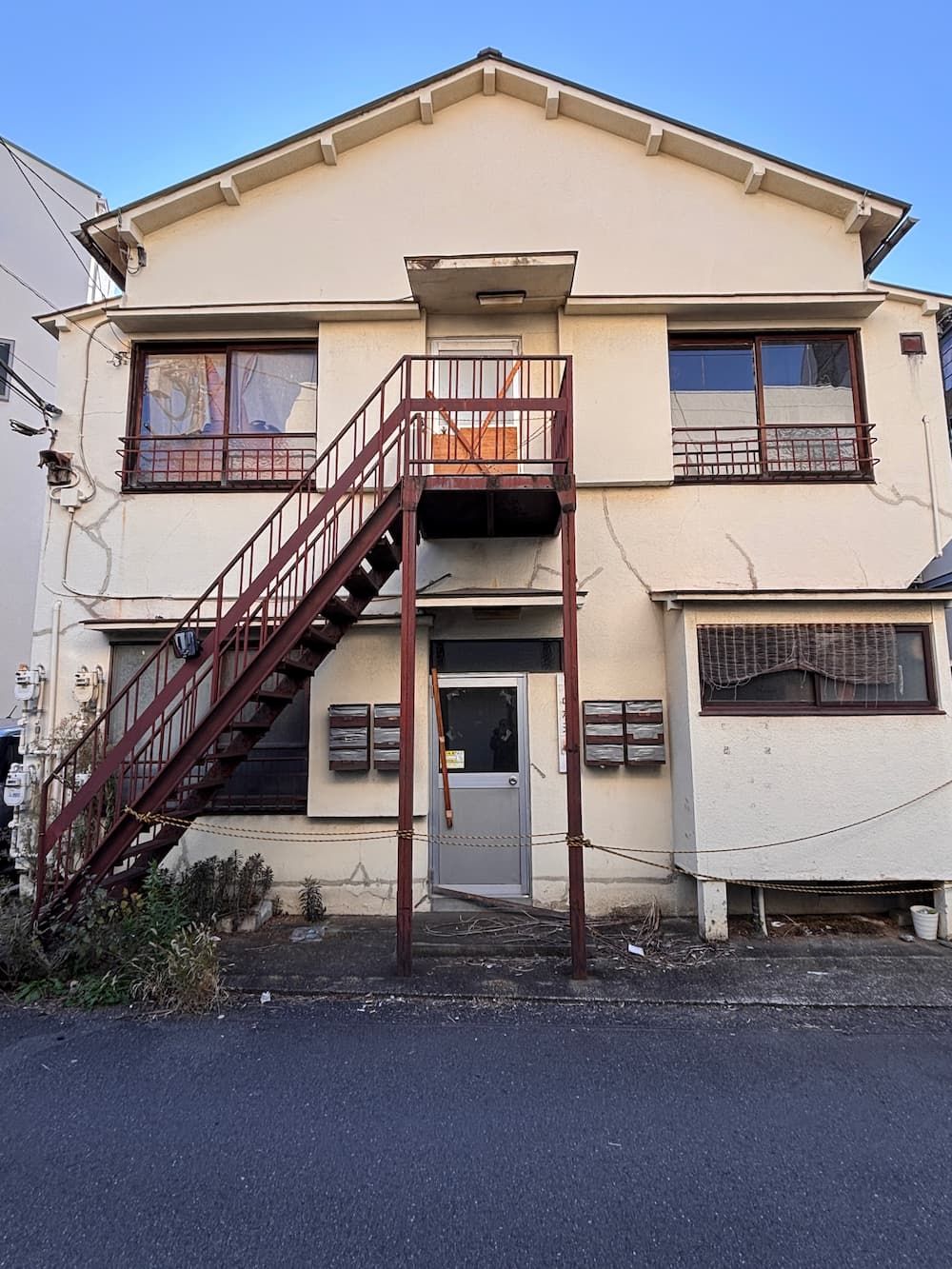
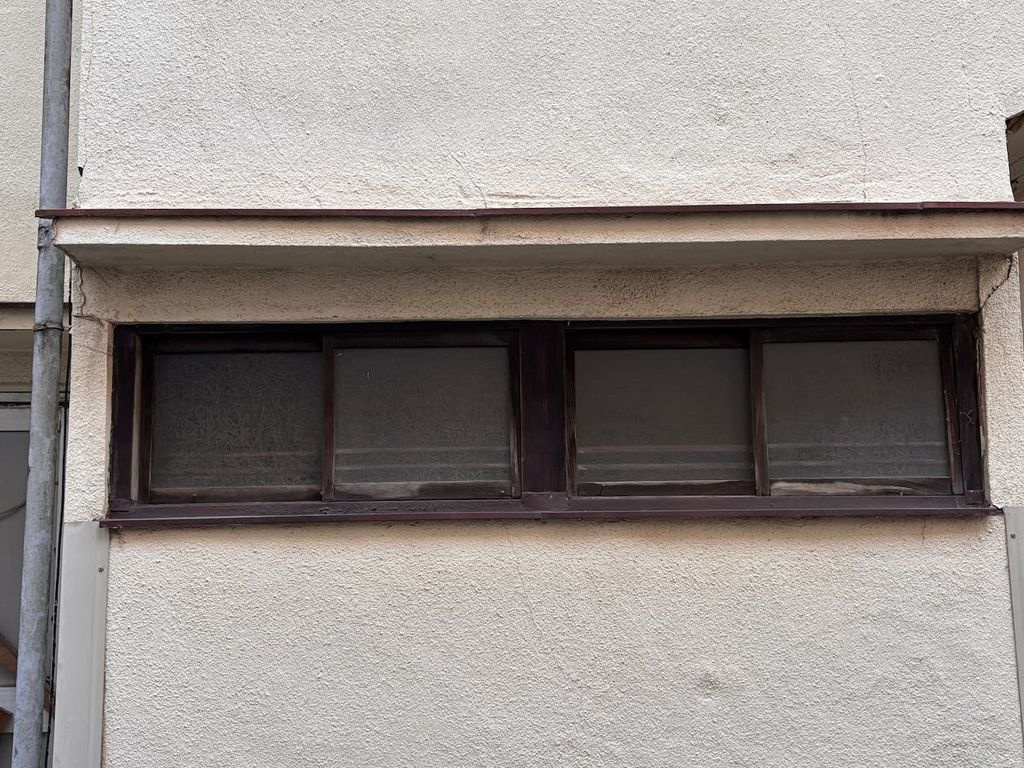
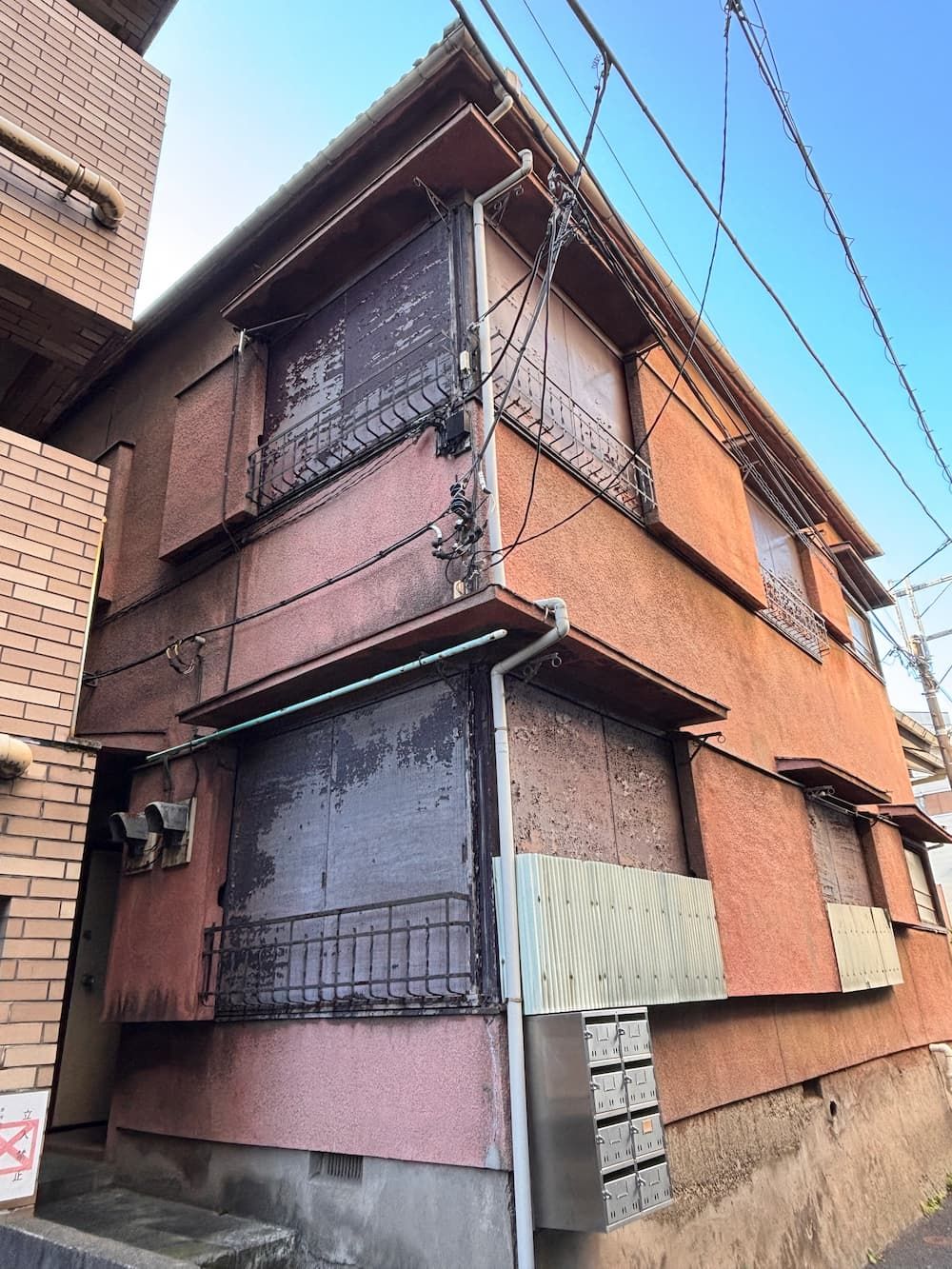
They were commonly built from the 1950s to the 1970s, using wooden frames covered with mortar.
Simple, affordable, and modest in design, they once formed the backbone of urban housing during Japan’s postwar growth.
Today, they remain as quiet reminders of an earlier era — and for me, they bring back the atmosphere of the neighborhood where I grew up.
These old apartment buildings are known in Japan as wood-and-mortar apartments.
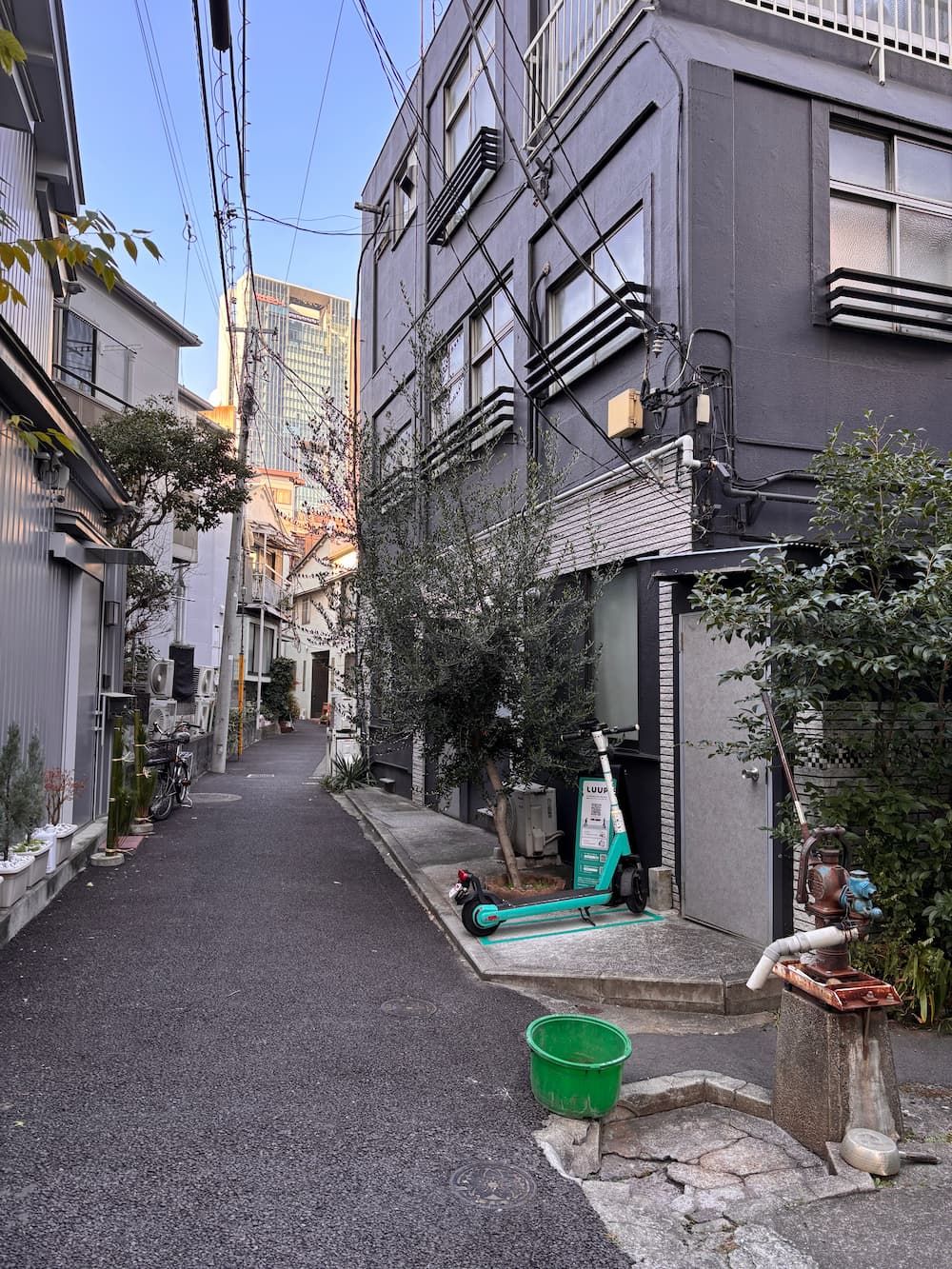
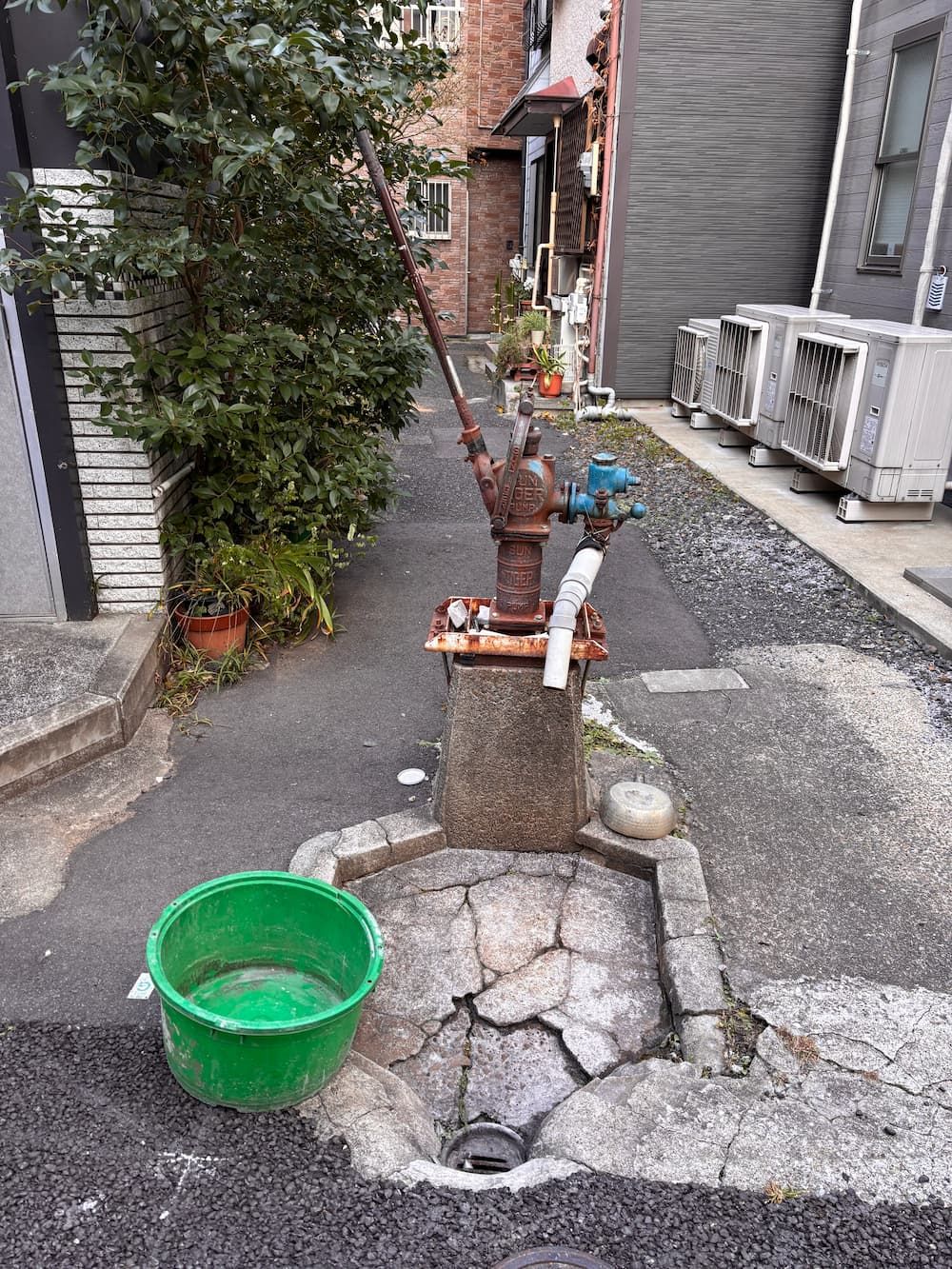
I came across an old well pump, and it seems to still be in use today.
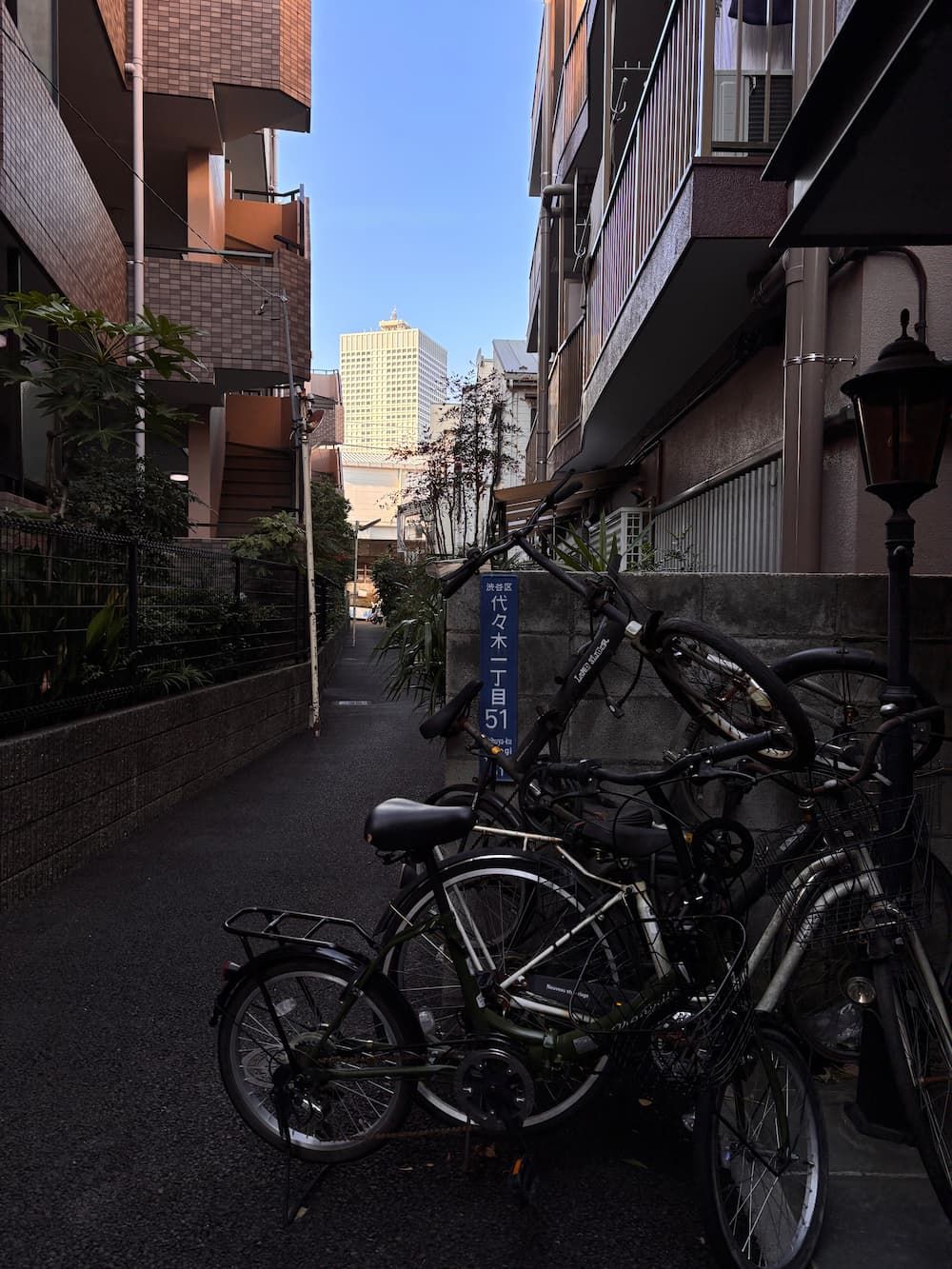
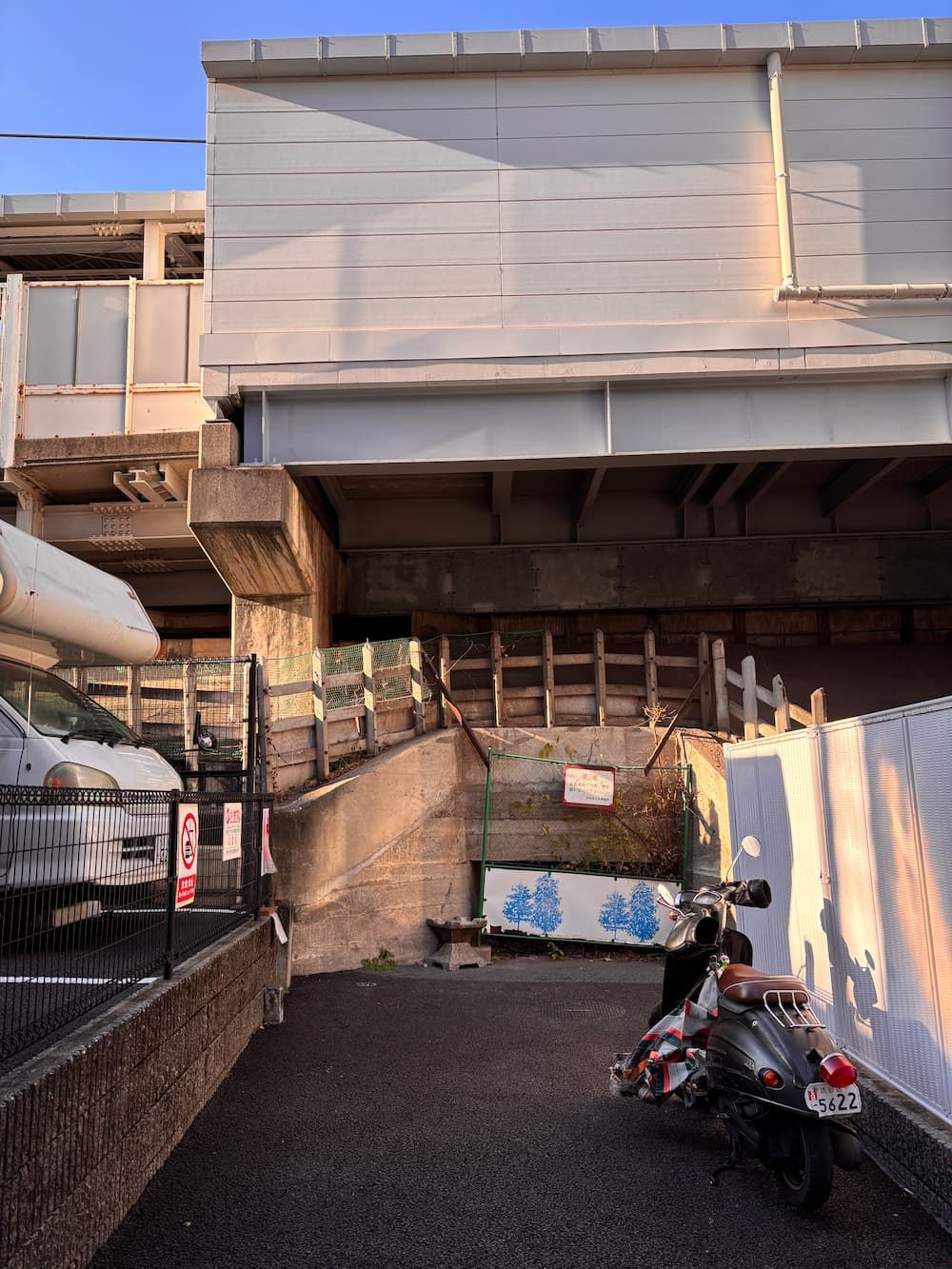
Here, the path passes beneath Minami-Shinjuku Station on the Odakyu Line.
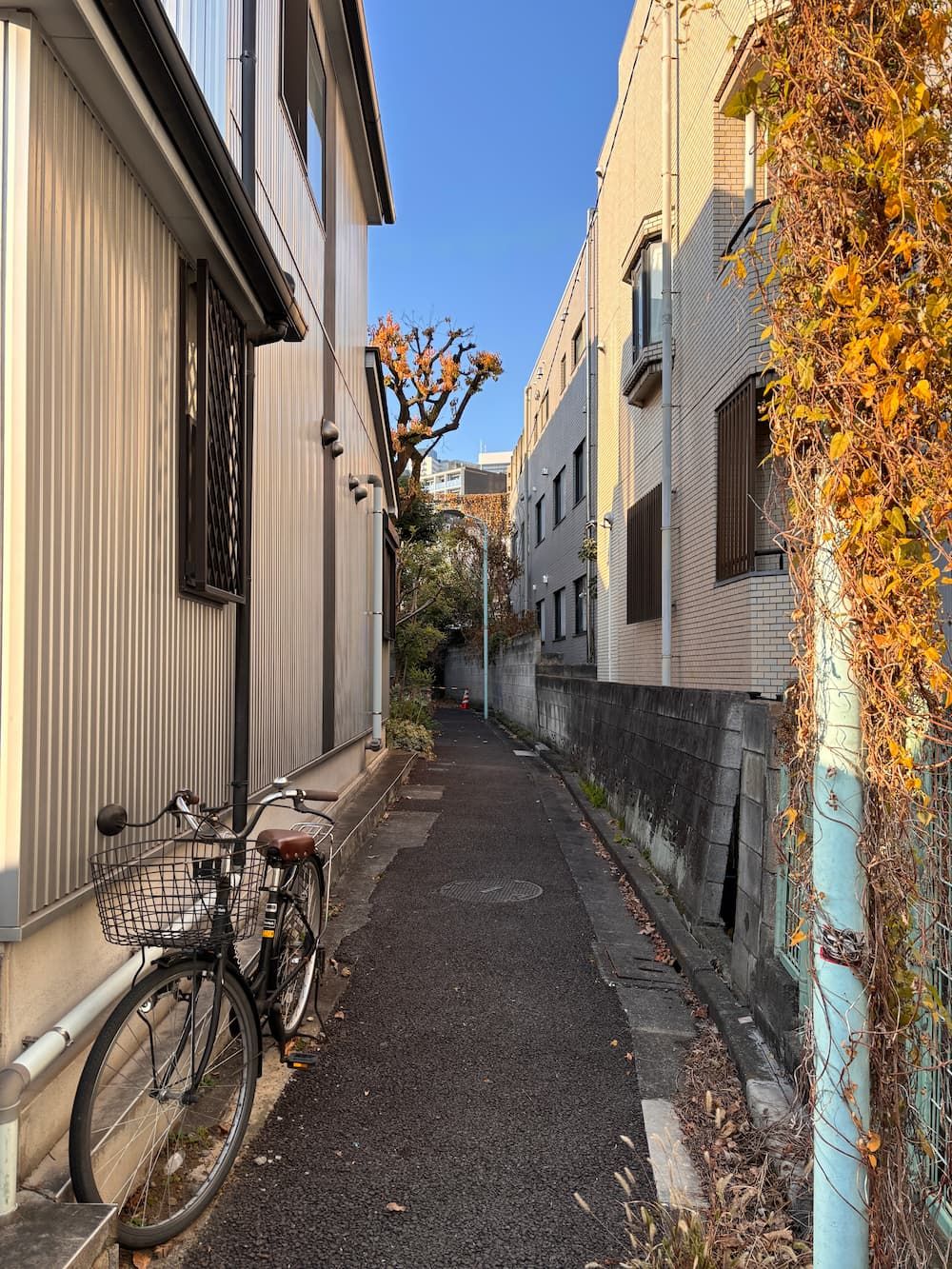
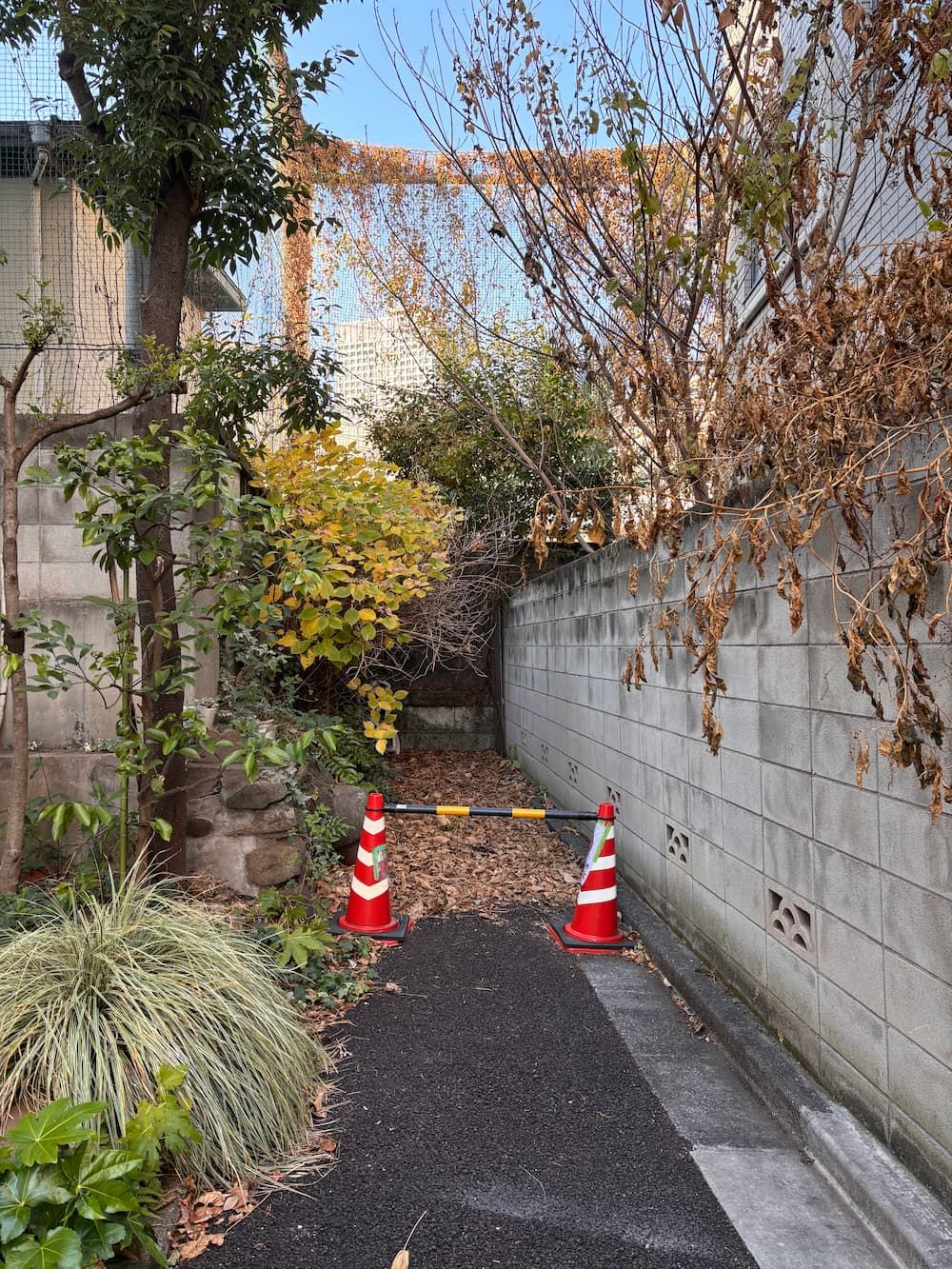
After passing Minami-Shinjuku Station and walking a little further, the river’s course comes to the grounds of the former Yoyogi Elementary School.
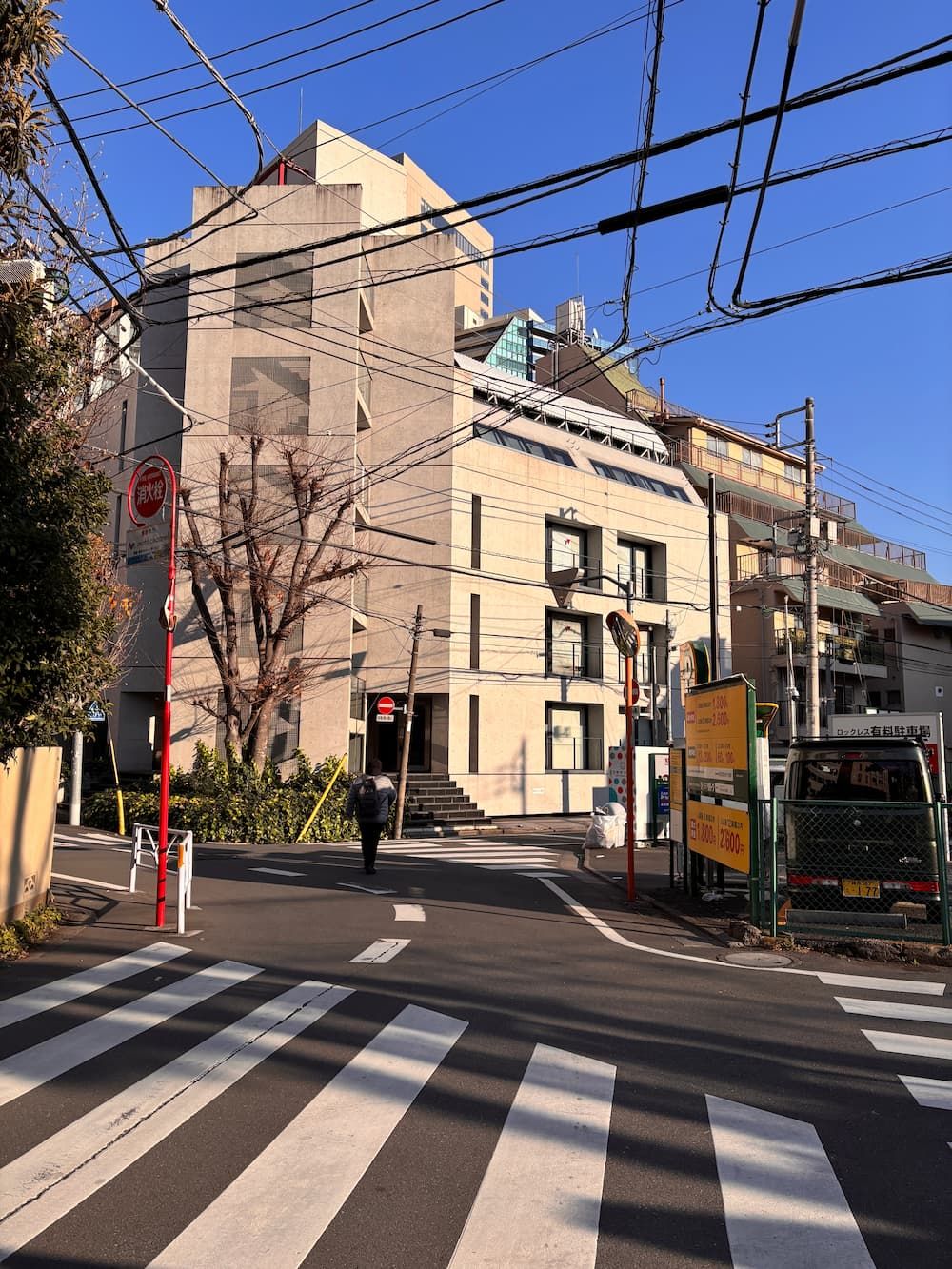
After taking a detour to trace the old watercourse, I came upon a maze-like four-way intersection. This seems to have been a point where the channels once merged and split.
The blue line on the map shows the watercourse I’ve been following. The red, green, and yellow lines mark the junction where the photo above was taken.
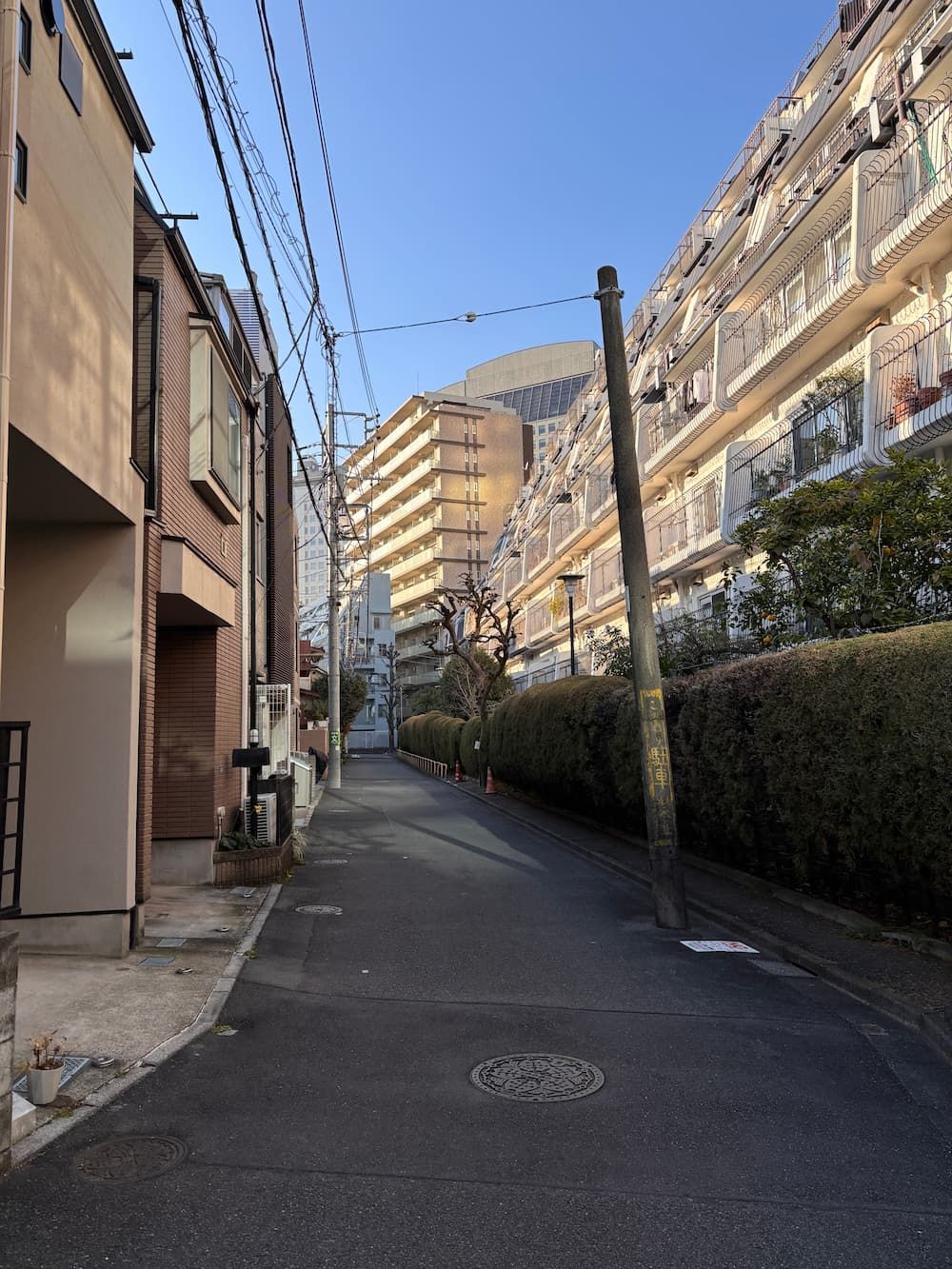
I suspect that the long, narrow gap running between the utility poles and the hedges once marked the course of the river.
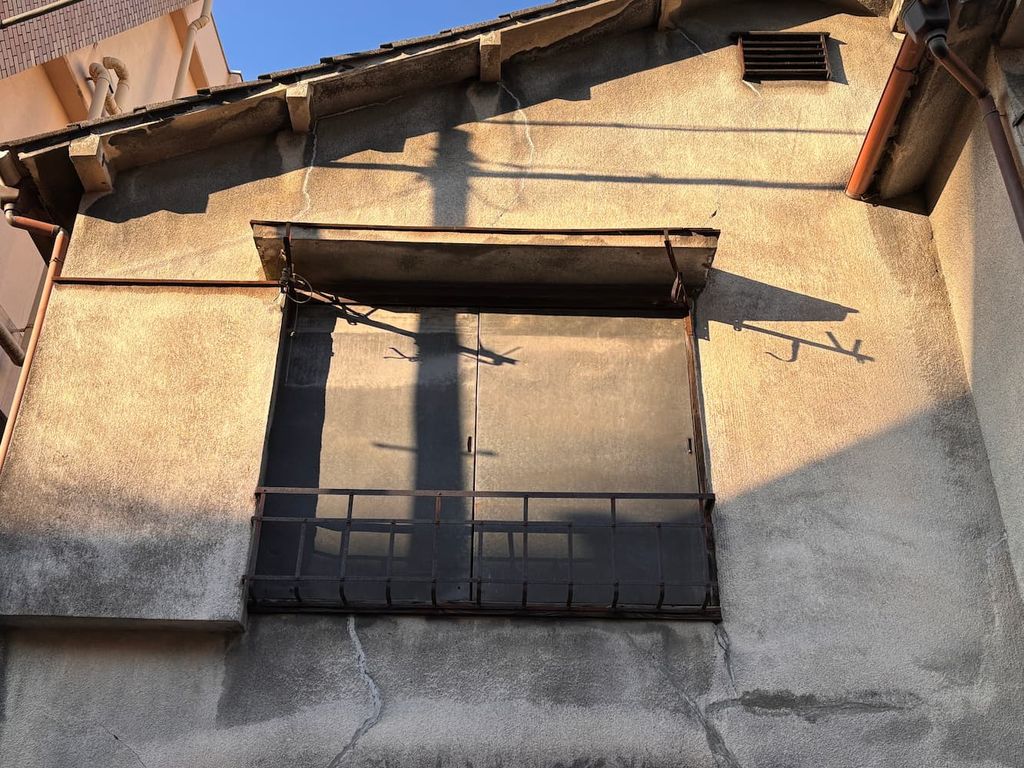
None of the wood-and-mortar apartments along the old riverbed appeared to be lived in anymore. They seem destined to vanish before long.
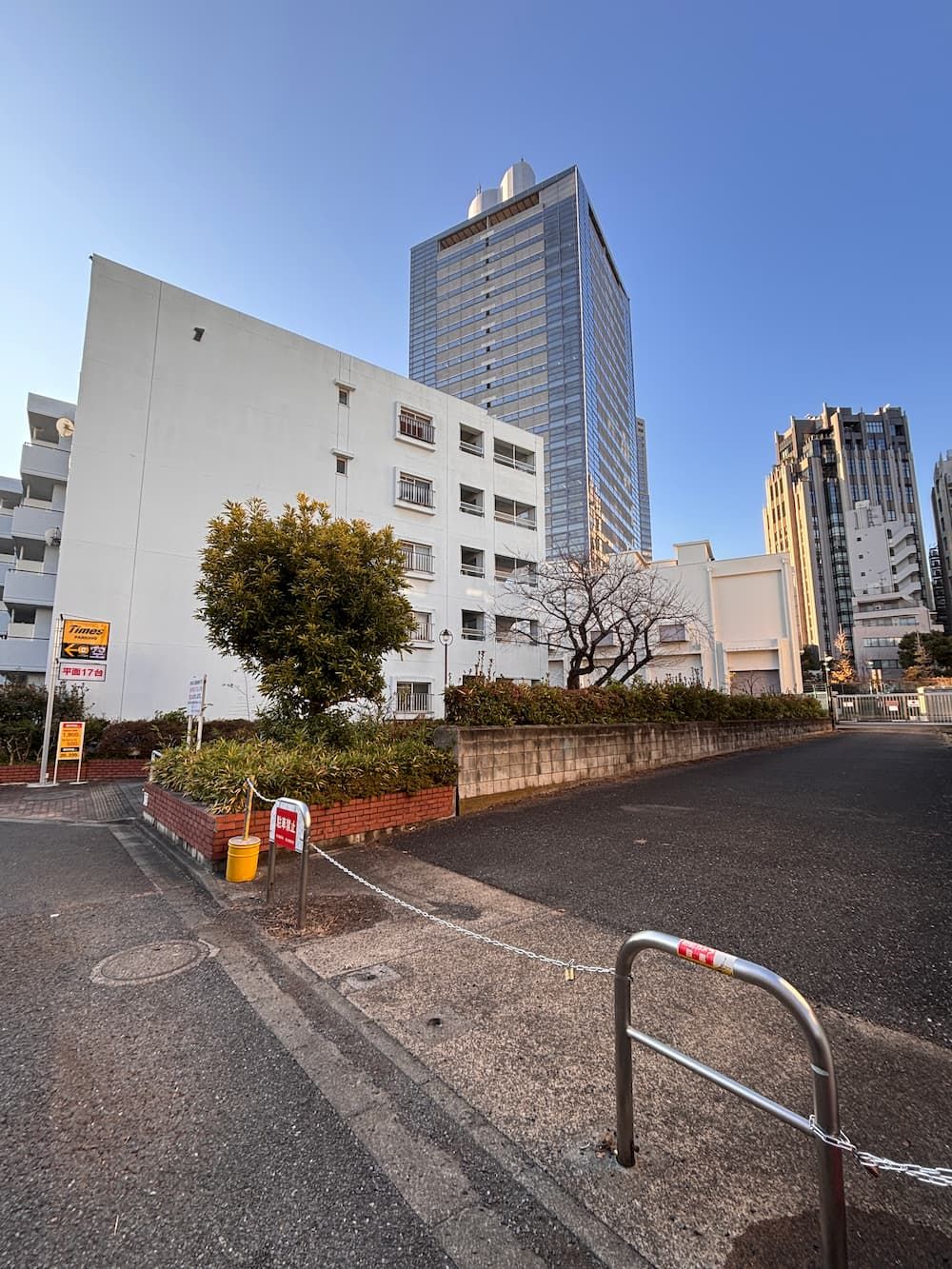
On the map, this area appears to be the source of the western branch, but no trace of it can be found on the ground.
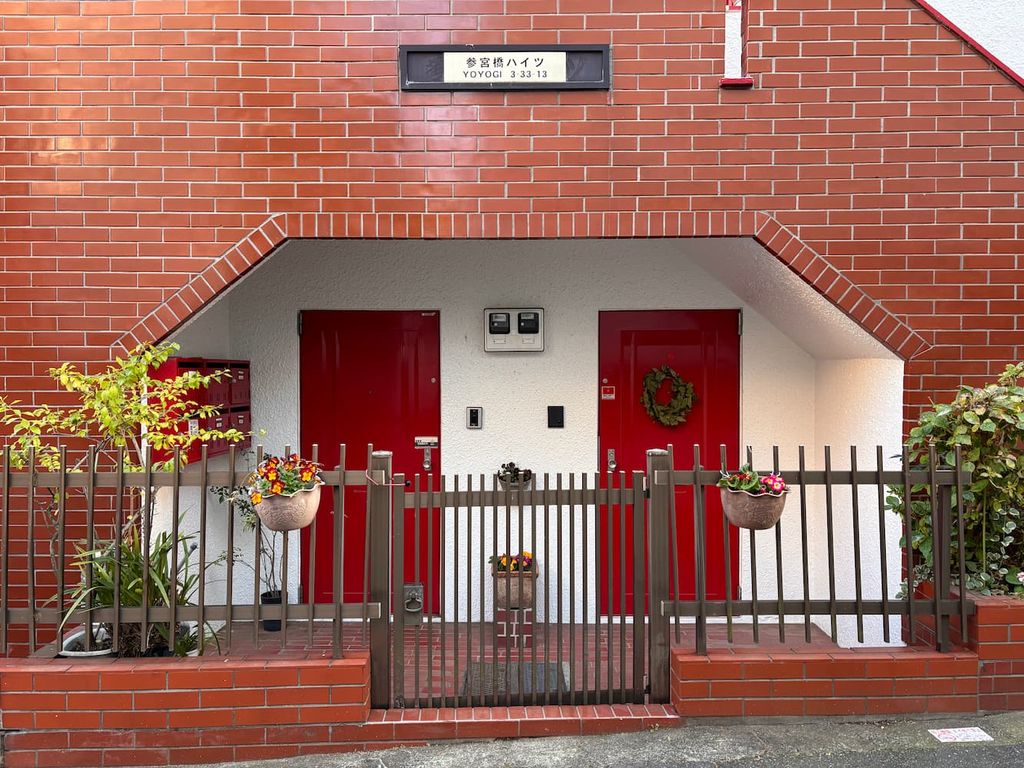
Surrounded by so many bland, soulless buildings, I was drawn to its charming little entrance.
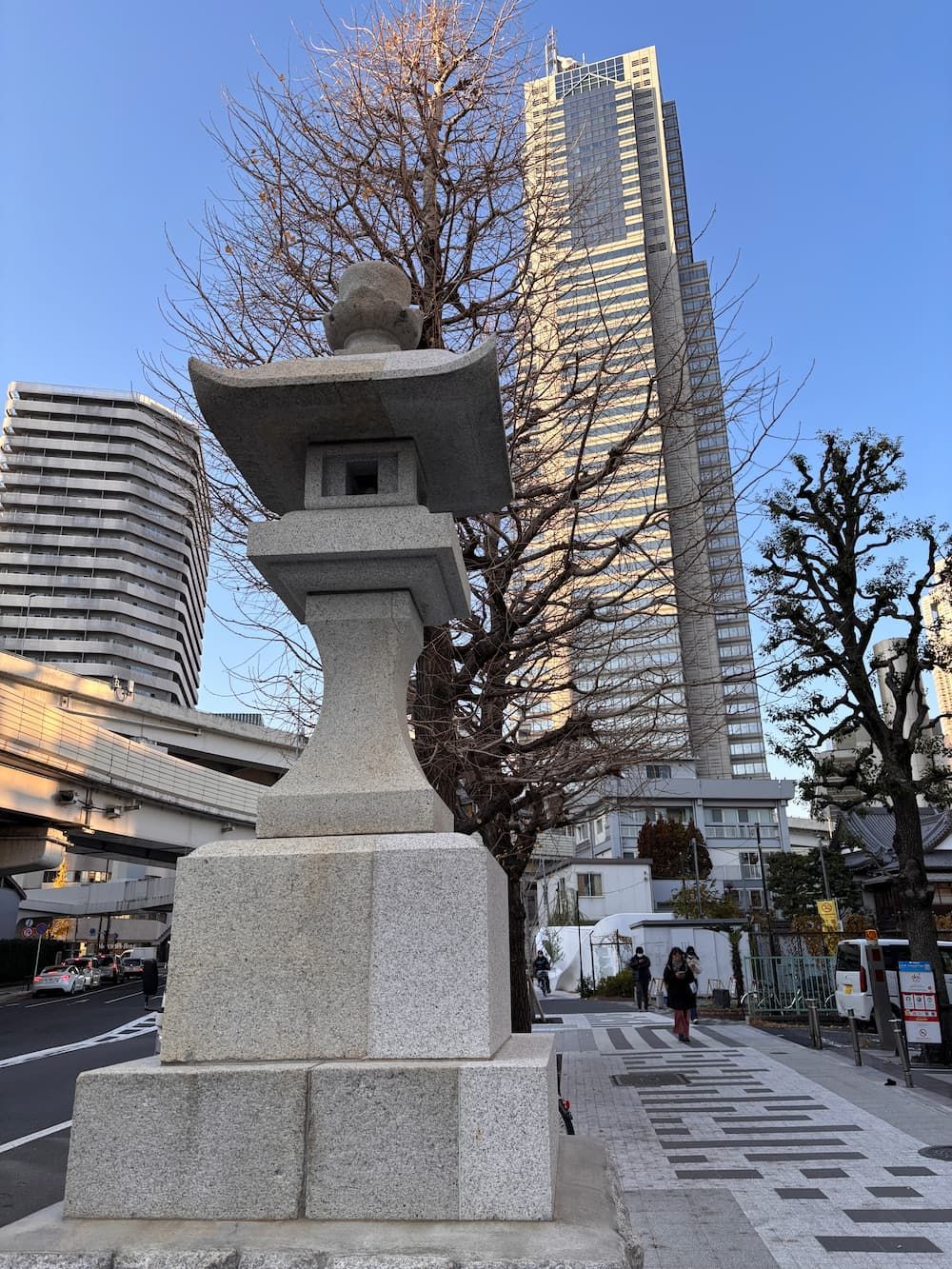
When I looked into why there was a stone lantern here, I discovered that this path is the western approach to Meiji Shrine.
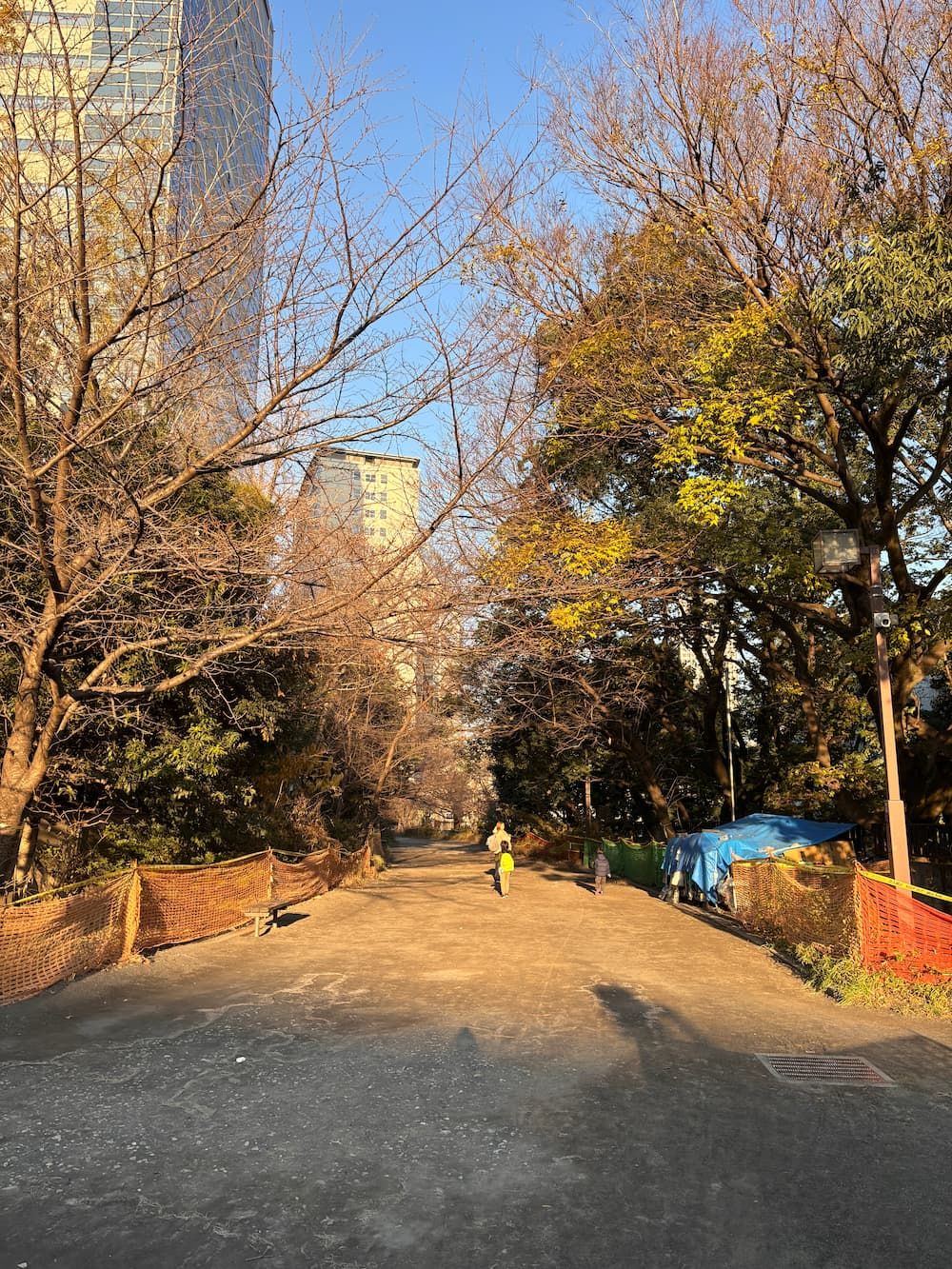
I emerged onto the old Tamagawa Aqueduct greenway nearby.
A little further along, it seems to have supplied water to the eastern branch of the Harajuku Branch Channel.
The sight of a mother and her two children walking ahead toward the park filled me with a sense of nostalgia.
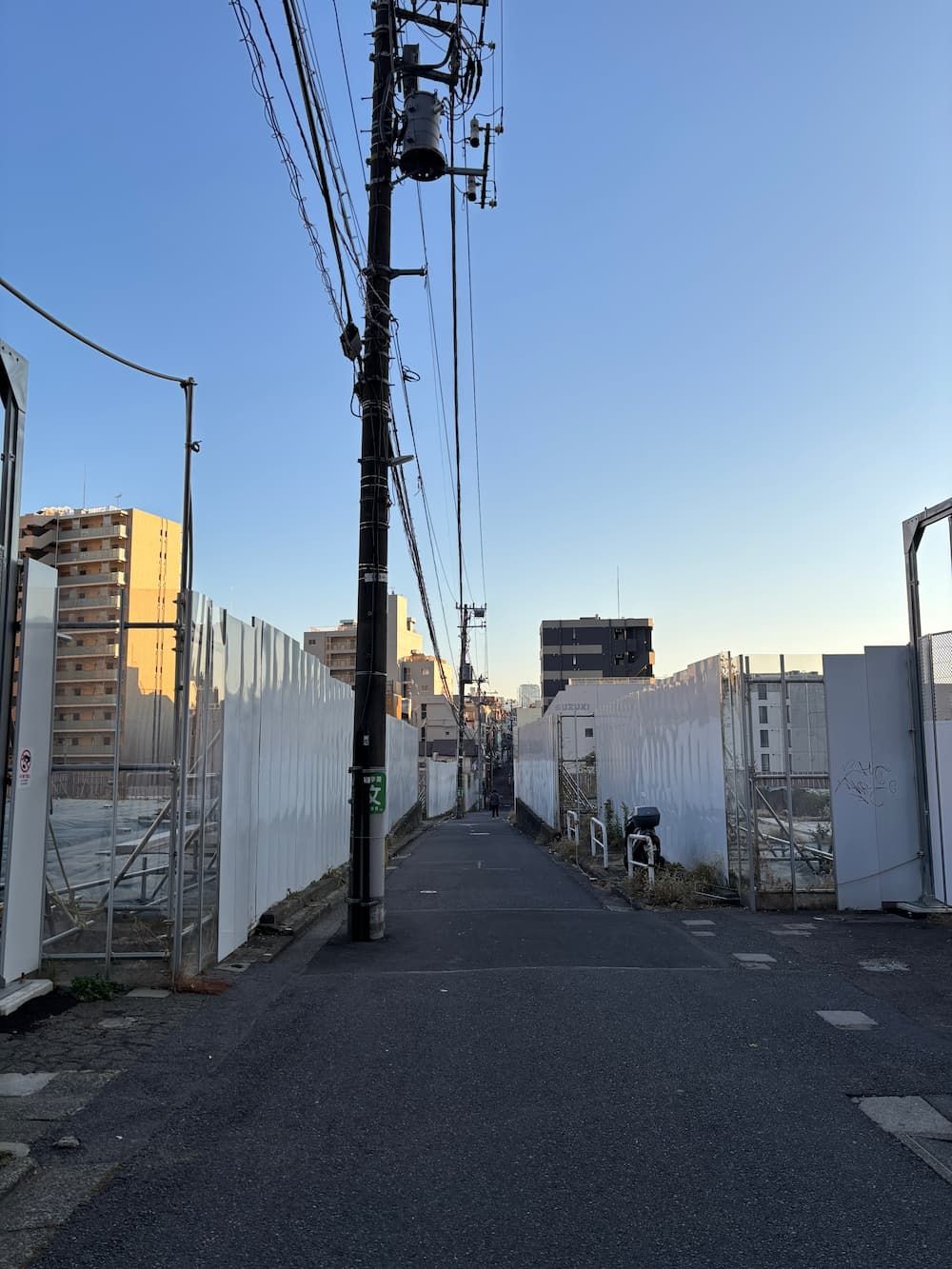
I walk down a gentle slope toward the eastern branch.
On both sides of the road, there once stood five-story public housing buildings, but they have since been removed, leaving the power lines unusually exposed.
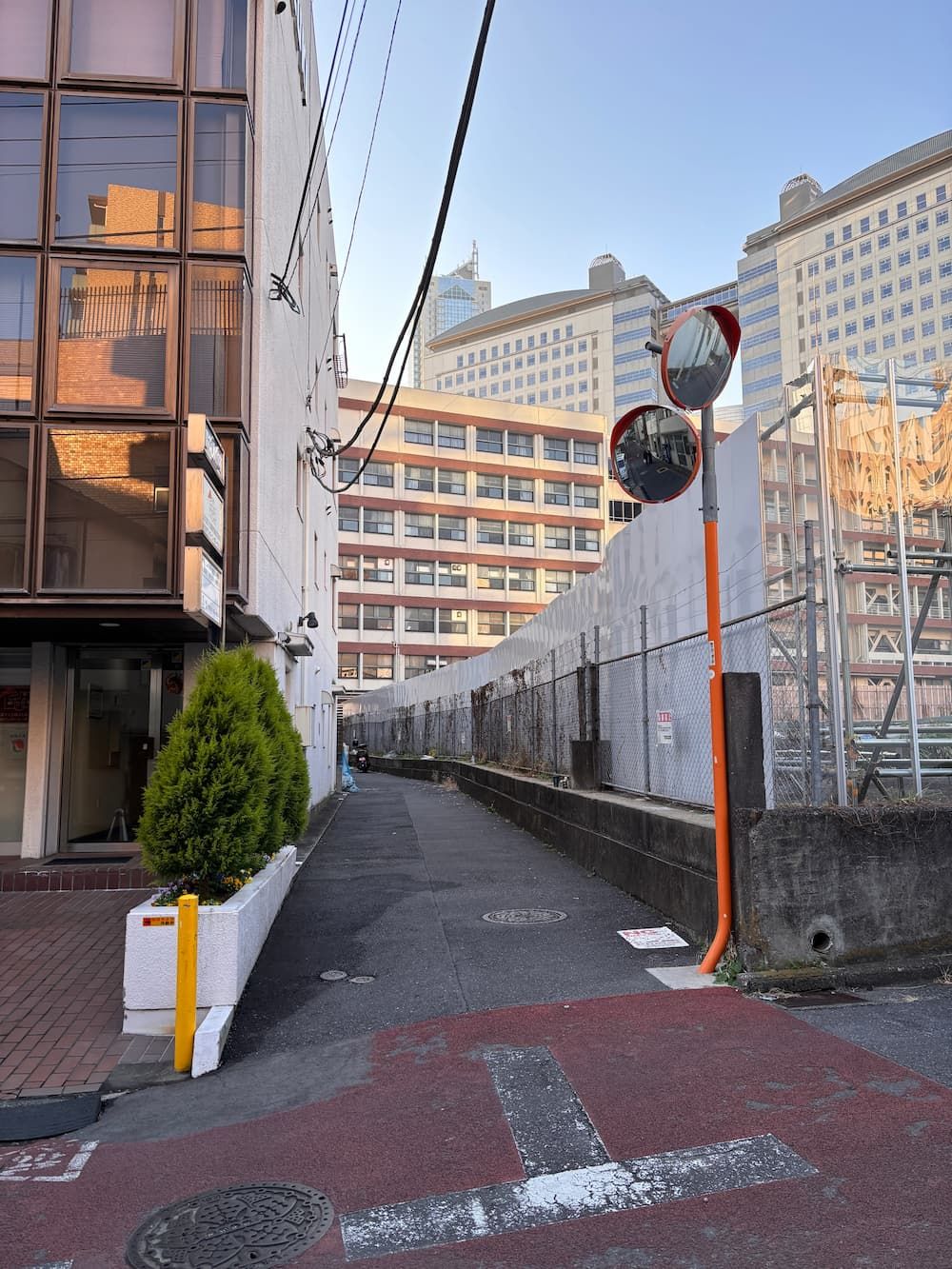
I reach the eastern branch and look upstream.
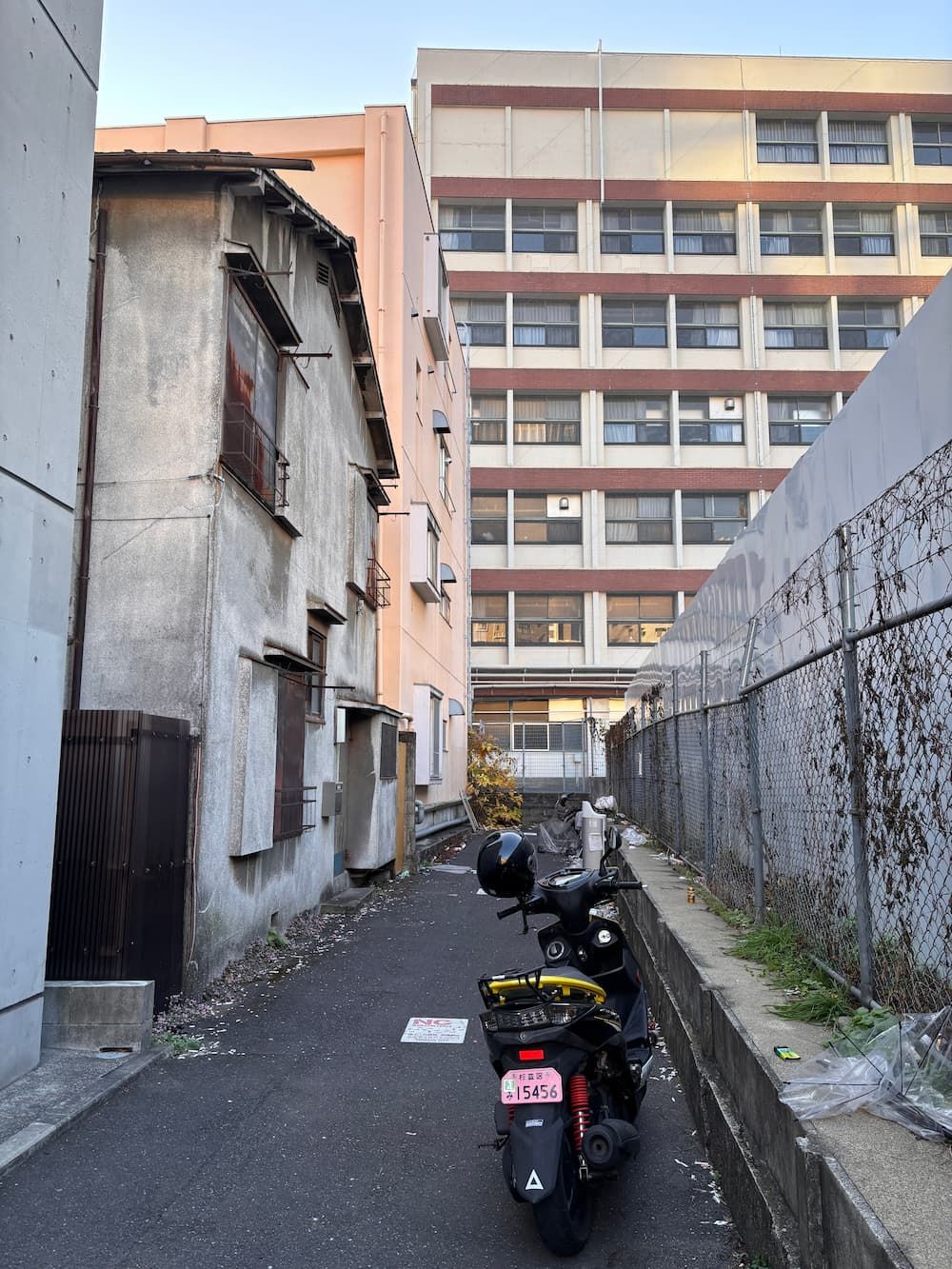
Near the point where the path runs into the Bunka Gakuen building ahead, it seems that water from the Tamagawa Aqueduct once flowed in.
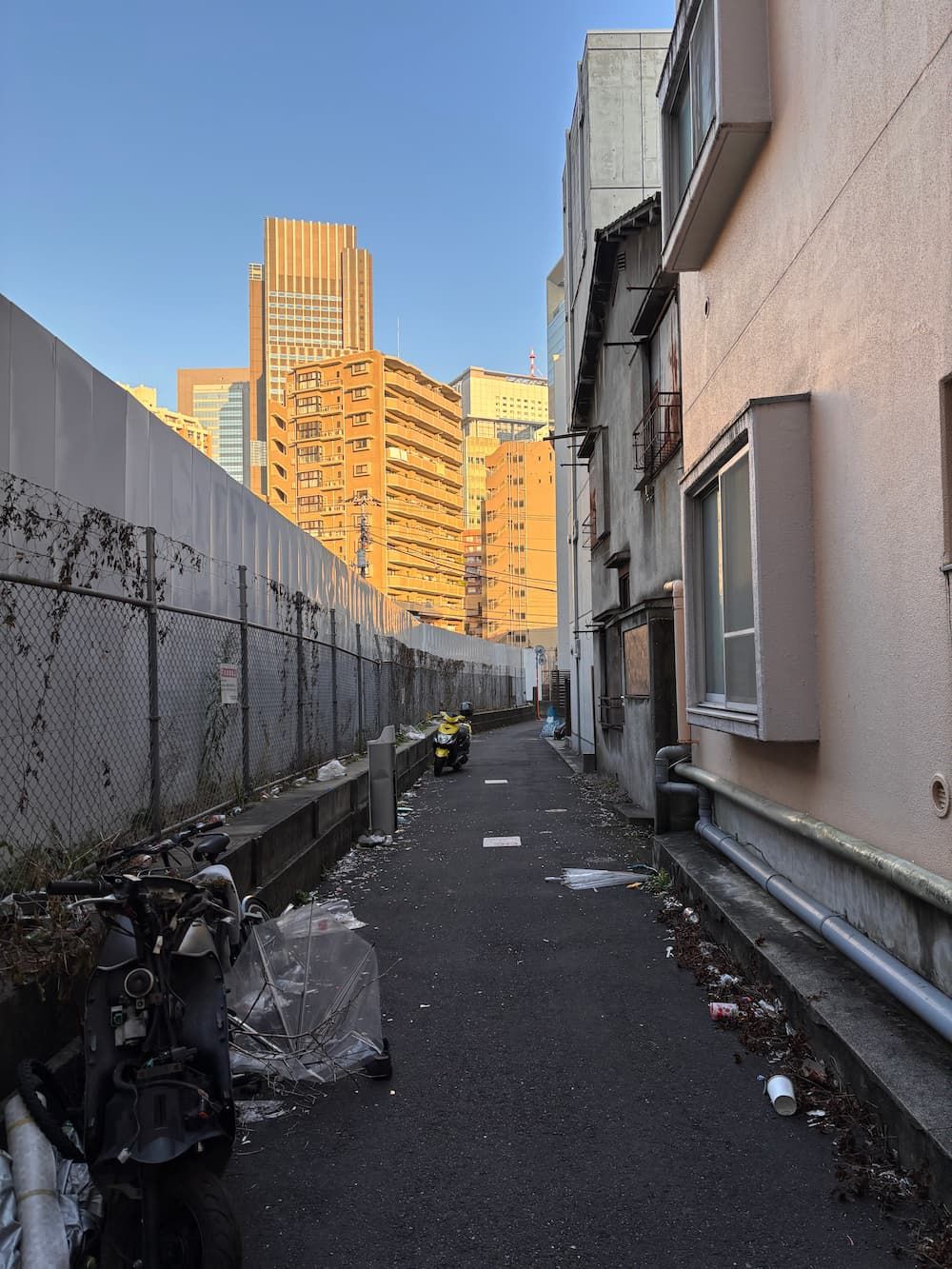
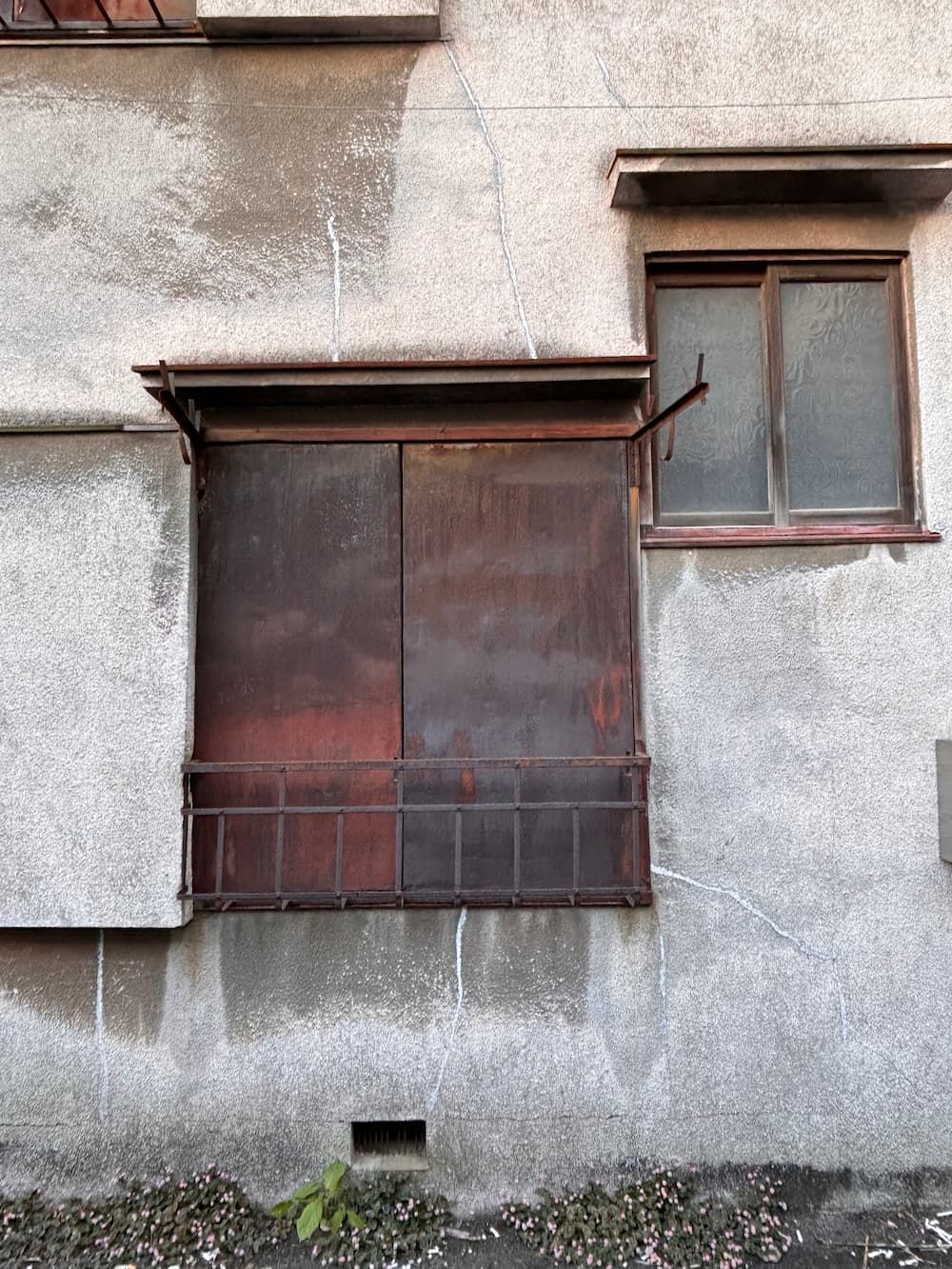
A place where only ruins, scattered trash, and dried grass remain. It may be the most lifeless spot I have ever encountered.
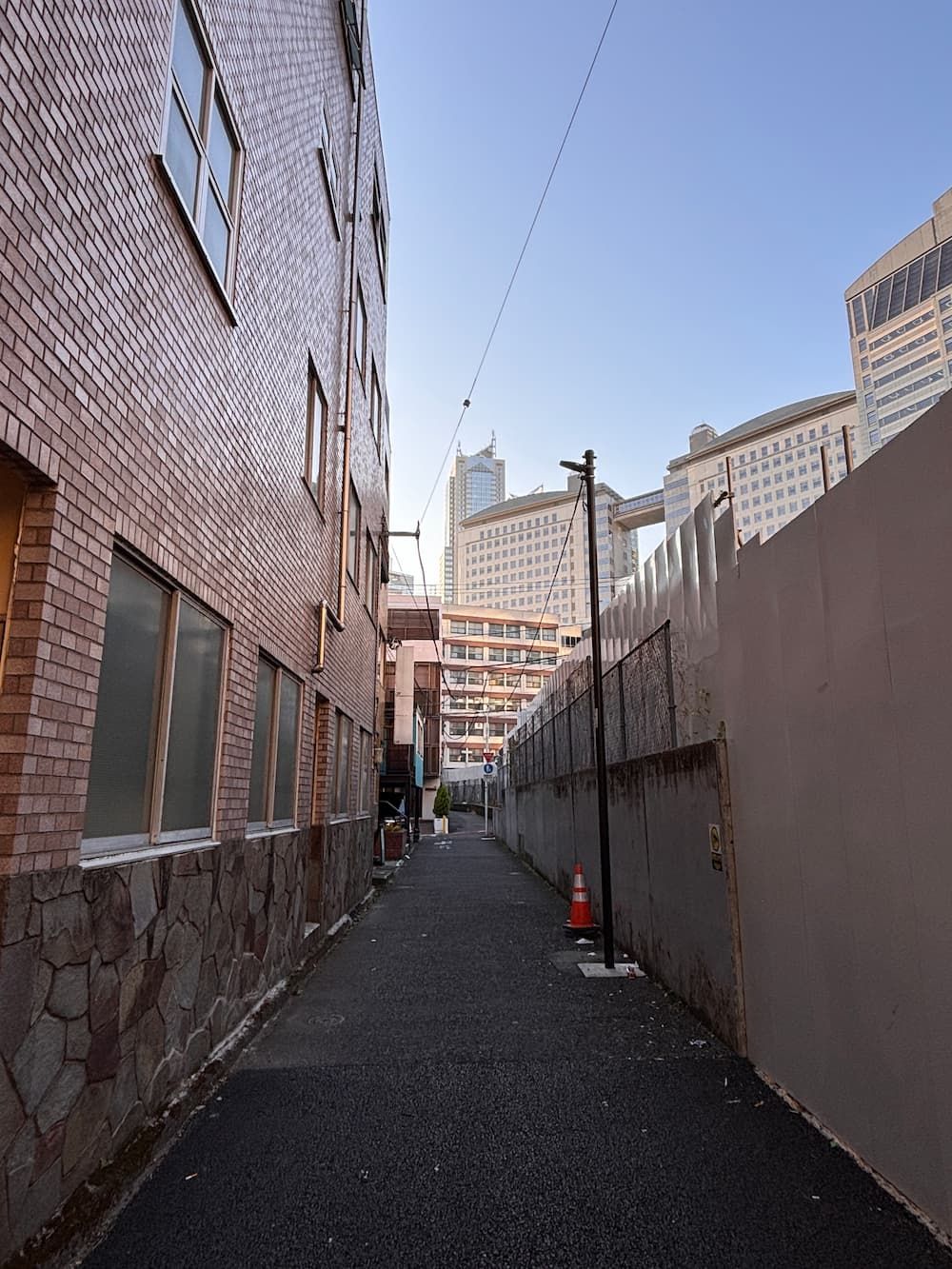
It is impossible to imagine what this place must have looked like when the river was still flowing here.
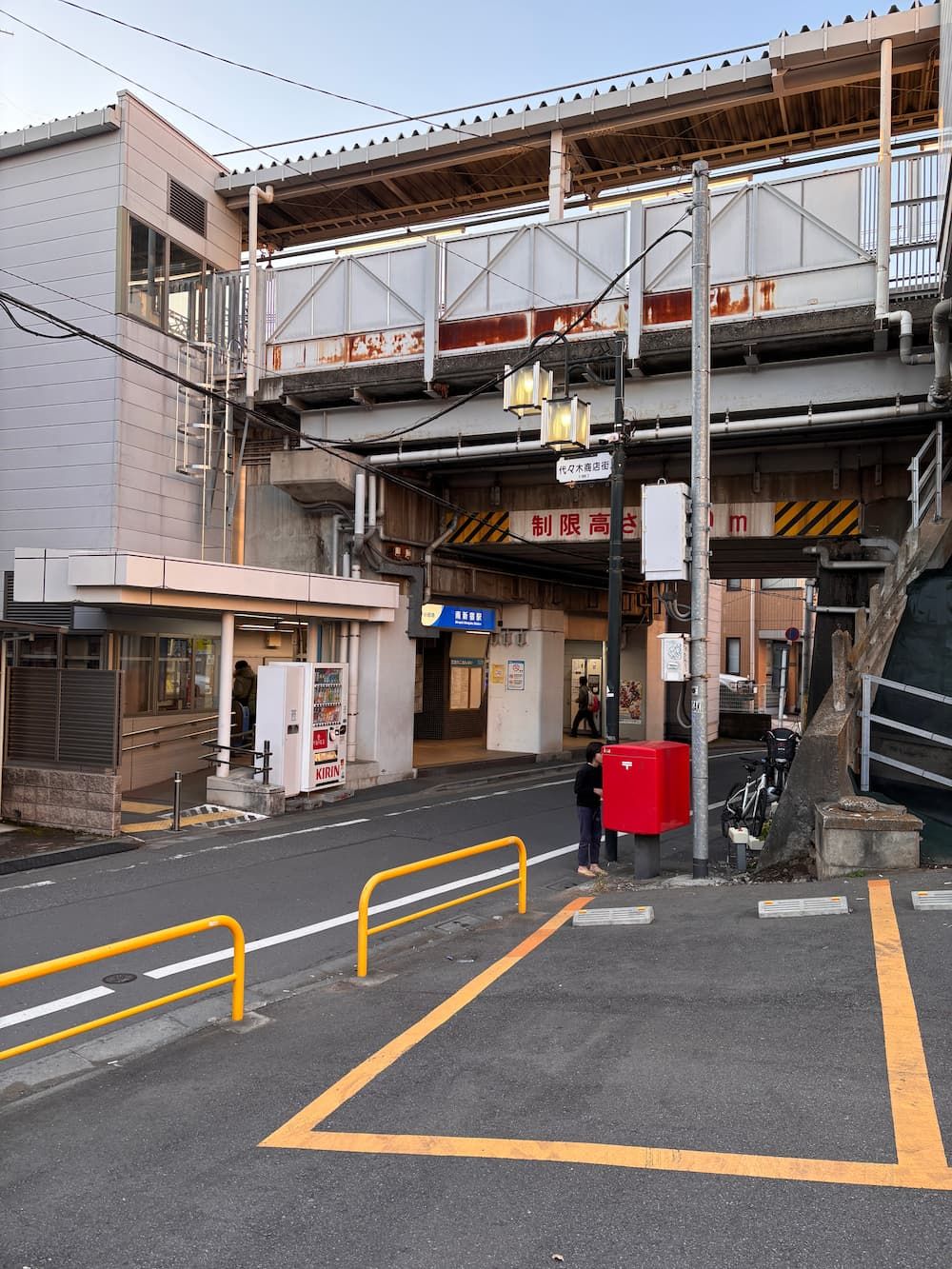
Just outside the ticket gates of Minami-Shinjuku Station, the eastern branch once crossed directly in front.
However, it was already covered by the 1960s, so by the time the station was relocated to its current site in 1973, the river was no longer visible.
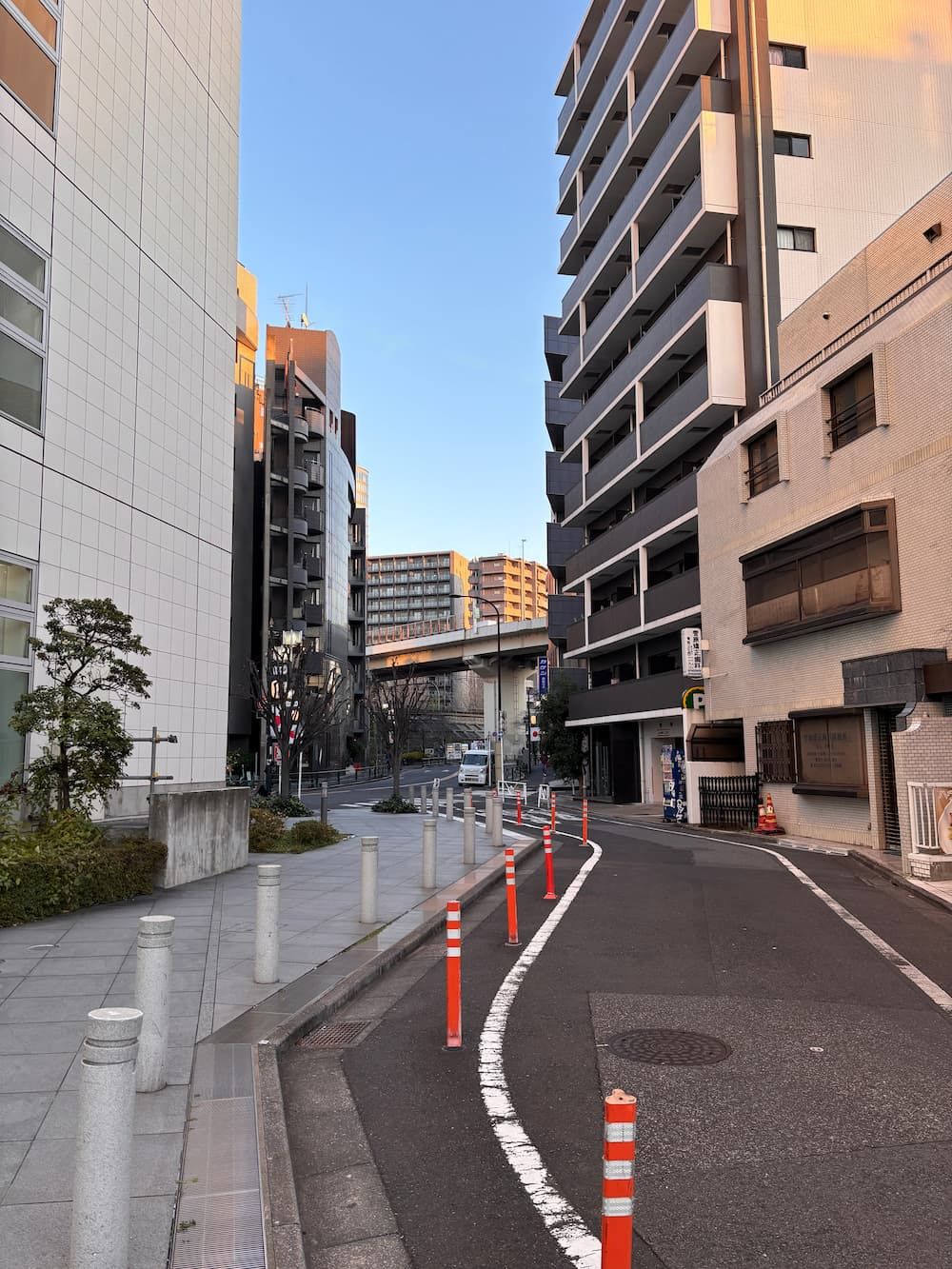
Beyond the expressway, it appears that this stream once rejoined the western branch I had explored earlier.